Introduction
The Day of Arafa – The Ninth Day of the Islamic Calendar and the Most Important Stage of Hajj The Day of Arafah is the ninth day of the blessed Islamic month of Dhul-Hijjah. This day is not only one of the essential rites of Hajj but also holds immense spiritual significance. On this day, the pilgrims stand in the plain of Arafat, weeping before their Lord, repenting, and making countless supplications.
The Day of Arafah is also called “the heart of Hajj” because the Messenger of Allah (peace be upon him and his family) said: “Al-Hajj Arafah” meaning “Hajj is Arafah.”This day is not only for the pilgrims but also a special opportunity for Muslims around the world to witness the open doors of Allah’s mercy and forgiveness. It is the day when prayers reach the heavens, the state of hearts transforms, and the closeness of the Merciful Lord is felt.
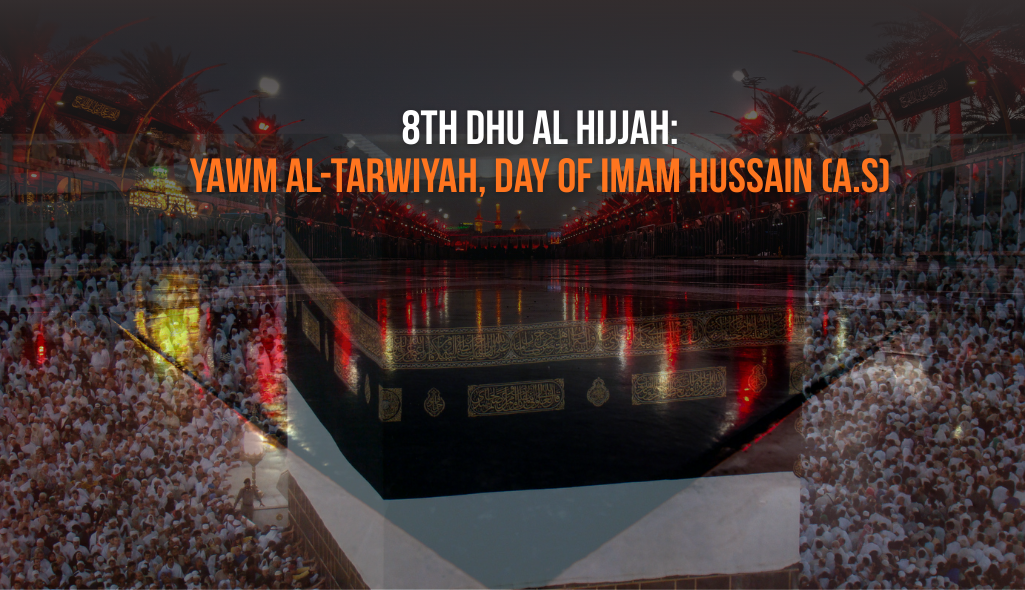
The Plain of Arafat – A Center of Forgiveness and Supplication On the Day of Arafa, a deeply spiritual scene unfolds in the plain of Arafat, where millions of pilgrims, dressed in simple white ihram, stand in humility before Allah Almighty. On this day, they seek forgiveness from their Lord, express regret over their past sins, and raise their hands in heartfelt supplication. Everywhere, one can hear the echoes of “Labbaik”,repentance, and emotional pleas These are the moments when hearts soften, eyes overflow with tears, and the soul feels closest to its Creator The standing at Arafat is, in essence, a time of repentance, return, and spiritual transformation.
The Day of Arafa – A Day of Mercy and Blessings for All Muslims
The virtue of the Day of Arafa is not limited to pilgrims alone; rather, it is a special occasion of mercy, blessings, and forgiveness for all Muslims around the world. Although the standing in the plain of Arafat is specific to those performing Hajj, the downpour of Allah’s mercy and grace on this day encompasses the entire Muslim Ummah. Every believer who engages in worship, sincere repentance, supplication, and remembrance of Allah on this day can attain a share of its divine light and blessings. That is why scholars have described this day as a peak of spiritual elevation whether one is near the Kaaba or in any corner of the world.
The Significance of the Day of Arafa – In the Light of the Qur’an and Hadith
The Day of Arafa holds a special place in Islam. It is a day that reflects Allah’s mercy, forgiveness, and nearness. Both the Qur’an and Hadith emphasize its immense virtue and importance.
In the Holy Qur’an, Allah swears by this day to highlight its greatness. At one point, it is stated: “And by the witnessing day and the witnessed day.” Surah Burooj, Verse 3.
(Many commentators interpret the “witnessed day” as the Day of Arafah.)
In Hadith, the Prophet of Islam (peace be upon him and his family) counted the Day of Arafa among the most virtuous days. One narration conveys: “The Day of Arafa is the day on which Allah frees the greatest number of His servants from the Hellfire, and He draws near to them and proudly mentions them to the angels.”
Another Hadith mentions:
“On the Day of Arafa, Allah descends to the nearest heaven and listens to the prayers of His servants.” All these narrations point to the fact that the Day of Arafa is not just any day—it is a sacred opportunity for spiritual transformation, sincere repentance, and drawing closer to Allah. The Day of Arafa and the Acceptance of Prayers The Day of Arafa is considered one of the most significant days in Islamic history, a day when Allah Almighty listens to and especially accepts the prayers of His servants. This day is not only an essential part of Hajj but also holds great spiritual importance According to traditions, the prayers of the pilgrims standing in the plain of Arafat are undoubtedly accepted, but even Muslims in every corner of the world who supplicate to Allah on this day find their prayers answered. The Messenger of Allah (peace be upon him and his family) said: “The best prayers are those made on the Day of Arafa” (Paraphrased Hadith)
For this reason, scholars refer to this day as “*The Day of Prayer Acceptance.” The most special aspect of this day is that when a person prays to Allah with sincerity, focus, and repentance, Allah grants them what may not be possible on other days.
In >Imam Zain ul Abideen (A.S)‘s Du’a of Arafa, he mentions his humility before Allah and says: “O Allah, this is the day in which Your servants ask for forgiveness for their sins and place their hopes in Your mercy. This is the day in which You have promised to accept the supplications of Your servants.” This supplication reveals that the Day of Arafa is when Allah accepts the prayers of His servants and forgives their repentance. It is a day when prayers ascend to the heavens and blessings from Allah shower down upon His creation. The Day of Arafah reminds us that Allah is very close to us. We just need to turn to Him with sincerity. The
prayers, tears, repentance, and hope of this day make the servant deserving of Allah’s special mercy.
The Connection Between the Day of Arafa and the Ziyarat of Imam Hussain (A.S.) The Day of Arafa and the Ziyarat of Imam Hussain (A.S.) are deeply connected. This day is not only one of the most important days of Hajj but also an opportunity to understand the sacrifice and status of Imam Hussain (A.S.) On the Day of Arafa, when Muslims around the world are present in Allah’s court for repentance and supplication, the Ziyarat of Imam Hussain (A.S.) holds a special significance. Imam Hussain’s (A.S.) sacrifice and his role not only highlight the spiritual merit of the Day of Arafa but also renew the message of his sacrifice on this day of prayer acceptance.
The Ziyarat of Imam Hussain (A.S.) on the Day of Arafa is given special importance. On this day, those who visit Imam Hussain’s (A.S.) shrine not only recall his sacrifice but also try to bring his message into their own lives. Imam Hussain (A.S.)s sacrifice is the highest example of giving up everything for the sake of Allah, and the Day of Arafa reminds us of his sacrifice, where Imam Hussain (A.S.) gave his family and loved ones for the
pleasure of Allah.
Imam Hussain (A.S.)’s stand teaches us that we should not shy away from any sacrifice when it comes to protecting our faith and religion. On the Day of Arafa, when visiting Imam Hussain (A.S.)‘s shrine, a Muslim learns that, like Imam Hussain (A.S.), we should offer our prayers and repentance to Allah with sincerity in search of His pleasure. For those visiting Imam Hussain (A.S.) on the Day of Arafa, it is a special spiritual experience. They remember Imam Hussain’s (A.S.) great status while offering their prayers and repentance to Allah. The prayers on this day, along with the Ziyarat of Imam Hussain (A.S.), strengthen a Muslim spiritually and inspire them to dedicate their lives to the path of Allah.
The Ziyarat of Karbala on the Day of Arafa Spiritually Greater Than Standing in Arafat
The Day of Arafa is one of the most significant and spiritually uplifting days in the Islamic calendar. It is a day when Allah especially accepts the repentance, prayers, and heartfelt pleas of His servants. While standing in the plain of Arafat is considered the greatest pillar of Hajj, the teachings of the Ahlul-Bayt (A.S.) reveal a profound spiritual reality the Ziyarat of Karbala on the Day of Arafa holds even greater merit in certain narrations. According to a narration from Imam Ja’far al-Sadiq (A.S.):
“Whoever performs the Ziyarat of Imam Hussain (A.S.) on the Day of Arafa, Allah will write for him the reward of a thousand thousand Hajj and Umrah, and it is as if he stood in Arafat rather, his reward is even greater.” Bihar al-Anwar In another narration, Imam al-Sadiq (A.S.) says: Whoever visits Imam Hussain (A.S.) on the Day of Arafa, it is as though he performed Hajj with the Messenger of Allah (PBUH) in Arafat.
A Visit Greater Than a Thousand Pilgrimages
Bashir Dahan narrates from Imam Jafar Sadiq (A.S): “Once I asked the Imam,
‘I missed performing Hajj, but I spent the Day of Arafa near the grave of Imam Hussain (A.S)Imam Jafar Sadiq (A.S) replied: ‘Bashir, you have done something extremely virtuous. If a true believer visits the grave of Imam Hussain (A.S) with the recognition of his rightful status, Allah (SWT) will reward him with the reward of one thousand Hajj, one thousand Umrah, and one thousand battles fought alongside a Prophet or a divinely appointed Imam.’ Equal to the Blessings of Arafat
In another narration, the Imam (A.S) further said “O Bashir! By performing the Ziyarat of Imam Hussain (A.S) on the Day of Arafa, you have attained all those virtues and blessings which are granted to the pilgrims standing at Arafat.
A Divine Gaze Before Arafat
According to Kamil al-Ziyarat, Imam Jafar Sadiq (A.S) stated:
When the Day of Arafa arrives, Allah (SWT) first looks towards the visitors of the grave of Hussain (A.S) and says to them: Begin your deeds anew, for I have forgiven all your past sins.’ Only after that, Allah looks upon the pilgrims at Arafat.
The Gift of Inner Peace In Gohar-e-Hikmat (Ziyarat Edition), it is narrated: Whoever visits Imam Hussain (A.S) on the Day of Arafa, Allah transforms the restlessness of his heart into tranquility. In today’s fast-paced world, every soul seeks inner peace. While people search for various ways to attain it, the Ziyarat of Imam Hussain (A.S) on the Day of Arafa is a direct and divine path to spiritual tranquility, complete forgiveness, and unmatched rewards.
Recommended Duas and A’maal for the Ziyarat of Imam Hussain (A.S) on the Day of Arafa
An Opportunity for Divine Closeness and Mercy Ghusl of Ziyarat Before performing the Ziyarat, it is Mustahab (recommended) to perform Ghusl (ritual bath) with the intention: “I perform this Ghusl seeking nearness to Allah and for the Ziyarat of Imam Hussain (A.S).” Ziyarat of Imam Hussain (A.S) On the Day of Arafa, reciting the specific Ziyarat of Imam Hussain (A.S) is highly recommended. If the special Ziyarat is not available, then Ziyarat-e-Waritha or Ziyarat-e-Ashura may also be recited with full devotion and recognition of the Imam’s divine status. Du’a of Arafa by Imam Hussain (A.S)* This powerful and spiritual supplication was recited by Imam Hussain (A.S) in the plains of Arafat. It is a masterpiece of divine recognition, gratitude, humility, and servitude.Excerpt from Du’a Arafa (Regarding Acceptance of Du’a):
“O my Lord! If You drive me away from Your door, to whom shall I turn?
If You deprive me of Your generosity, who else can I hope for?
If You cast me away from Your threshold, where else shall I seek refuge?
You are the One whose door is sought by all, and You are the One in whom all hopes are placed! This heartfelt plea from Imam Hussain (A.S) teaches the visitor to turn to Allah with humility, hope, and absolute trust in His mercy. Weeping and Repentance Seek forgiveness from Allah with a sincere heart Weep over personal sins and the suffering of theAhlul-Bayt Renew your spiritual allegiance to Imam Hussain (A.S)
Prayers for Believers It is highly recommended to supplicate for all Mu’mineen—both living and deceased—on the Day of Arafa. Also, make heartfelt du’a for: Relief from trials Healing of the sick The reappearance of Imam Mahdi (A.J) Tasbeeh and Zikr Astaghfirullaha Rabbi wa Atubu Ilayh (100 times) Allahumma Salli Ala Muhammad wa Aale Muhammad La ilaha illallah, Wahdahu La Sharika Lah
These are among the best forms of dhikar on this blessed day. Two Rak’at Salat of Ziyarat After Ziyarat, perform two Rak’at of Salat as Ziyarat prayer: First Rak’at: Surah Al-Hamd + Surah Yaseen Second Rak’at:Surah Al-Hamd + Surah RahmanSurah Ikhlas can be recited instead.) Conclusion: Arafa – A Day of Forgiveness and Spiritual Elevation The Day of Arafa is a special day of divine mercy. Visiting Imam Hussain (A.S) on this day, whether physically or spiritually, with sincere love and recognition of his status, brings the highest rewards: forgiveness of sins, peace of heart, and acceptance of prayers.





 12-فبراير-2026