Introduction
Prophet Muhammad Mustafa (peace and blessings be upon him and his progeny) is the great personality whom Allah sent as a mercy to all the worlds. His noble character is a source of guidance, success, and salvation for all of humanity His teachings transformed a society lost in darkness and ignorance into one illuminated by knowledge, justice, morality, and compassion.This blog presents a comprehensive overview of the blessed life of Prophet Muhammad (PBUH) so that we may learn from his sacred example and enrich both our worldly lives and our hereafter.
The Birth of Prophet >Muhammad (PBUH): A Turning Point in Human History The birth of Prophet Muhammad (peace and blessings be upon him and his pure progeny) marks the most significant turning point in human history. His arrival ended the dark era of ignorance and ushered in a new age of divine light, mercy, and guidance. This article explores the historical context before his blessed birth and the miraculous events that occurred at the time of his arrival.
The Pre Islamic Era A World Lost in Darkness 1.Arabia Before Islam Before the birth of Prophet Muhammad(PBUH), Arabian society was plagued by widespread immorality,social injustice, and spiritual decay:Idolatry and Polytheism:The Arabs worshipped hundreds of idols, including 360 placed inside the Kaaba itself. Moral Decline:Sins like gambling, alcohol consumption, fornication, and slavery were rampant. Tribal Conflict:Endless tribal wars and blood feuds dominated social life. Female Infanticide: Newborn girls were often buried alive out of shame. Ignorance and Illiteracy: Knowledge and education were rare; very few could read or write.
2.Global Conditions The rest of the world was also suffering:
Byzantine and Persian Empires: These superpowers were caught in constant war and internal corruption. Corruption of Scriptures: Jews and Christians had deviated from the original teachings of their prophets. Awaiting the Final Prophet: Scholars of divine scriptures were awaiting the arrival of the Last Messenger whose signs were written in their holy books.
The Year of the Elephant A Historical Prelude Prophet Muhammad (PBUH) was born in the Year of the Elephant (570 CE), the same year when Abraha, the Christian ruler of Yemen, marched with his elephant army to destroy the Kaaba. However, by the will of Allah his army was miraculously defeated a sign of divine protection for the future Messenger.The Blessed Birth of the Prophet (PBUH)
1. Date and Place of Birth Date:17th Rabi’ al-Awwal.Place:Makkah Al-Mukarramah, in the noble house of Banu Hashim.
2.Noble Lineage Father:Abdullah ibn Abdul Muttalib (passed away before the Prophet’s birth)Mother: Amina bint Wahb Tribe: Quraysh the most respected tribe of Arabi Clan: Banu Hashim known for generosity, honor, and leadership Miraculous Events at the Time of His Birth.
The moment of the Prophet’s birth was not ordinary it was accompanied by several miraculous signs that shook the world The Fire Temple in Persia (Zoroastrians) The sacred fire that had been burning for centuriesm extinguished.Lake Sawa Dried Up: A large lake in Persia dried completely.14 Towers of the Persian Emperor’s Palace Crumbled A sign of the fall of tyranny.A Radiant Light Spread: A divine light illuminated the skies from the east to the west Dreams and Visions Scholars and spiritual individuals saw visions of a world-changing birth A Divine Beginning of Light and Mercy The Prophet’s birth was not just a moment in history; it was the beginning of a global revolution of morality,compassion, and divine guidance. He was born into a world drowning in darkness, and by Allah’s command became the beacon of light for all of humanity.
A Birth That Changed the World The birth of Prophet Muhammad (PBUH) symbolizes hope, reform, and mercy for all creation. Understanding the conditions before and during his blessed birth helps us appreciate the significance of his mission and the impact he had on the entire world. His life continues to inspire billions and will forever be a source of guidance and light.
The Early Life of Prophet Muhammad (PBUH): A Model of Purity and Patience The early life of Prophet Muhammad (peace and blessings be upon him and his pure progeny) is a shining example of moral excellence, patience, and divine care. Despite facing the hardships of orphanhood, the Prophet (PBUH) grew up to become the most trustworthy, kind, and respected figure in Makkah. His youth laid the foundation for his future mission of guiding all of humanity. Orphanhood and Divine Protection
Father’s Death:His father, Abdullah ibn Abdul Muttalib, passed away before his birth.
Mother’s Death:At the age of six, his mother Amina bint Wahb also passed away.
Grandfather’s Care:His grandfather Abdul Muttalib took care of him until he too passed away when the Prophet was eight years old Under Abu Talib’s Guardianship:After that, his uncle Abu Talib AS raised him with deep love and unwavering support, standing by him even during the most difficult phases of his Prophethood.
A Reputation of Truth and Trust Even as a child and young man, Prophet Muhammad (PBUH) was known for Truthfulness (As-Sadiq): He never lied, and people trusted his every word Trustworthiness (Al-Ameen): He was entrusted with people’s belongings and valuables Flawless Character His behavior, speech, and dealings were marked by dignity, patience, and fairness. Humble Work and Honest Trade In his youth, the Prophet (PBUH) herded sheep, a humble yet honorable job that taught responsibility. Later, he engaged in trade and commerce, becoming known for his honesty and integrity in business. His business ethics stood in stark contrast to the deceitful practices common in pre-Islamic Arabia.
Marriage to Lady Khadijah (SA)
At the age of 25, Prophet Muhammad (PBUH) married Lady Khadijah (SA), a noble, wealthy, and virtuous woman. She was impressed by his character and honesty and became his most loyal companion.Their marriage was a source of comfort, support, and stability for the Prophet. Solitude in the Cave of Hira The Prophet (PBUH) often spent time in the Cave of Hira, contemplating creation and worshipping the One God. These moments of solitude were a spiritual preparation for the great mission of Prophethood that was to
come.
A Foundation for Greatness The early life of Prophet Muhammad (PBUH) is a powerful lesson in how truthfulness, patience, hard work and trust in God prepare a person for greatness. His humble beginnings, strong values, and divine guidance shaped the greatest personality the world has ever known.
The Beginning of Prophet hood A New Dawn for Humanity The beginning of Prophet hood marks the most transformative moment in human history. When Allah Almighty appointed Prophet Muhammad (peace and blessings be upon him) as the final messenger, it was the start of a divine guidance that would illuminate the entire world. This event was not just the beginning of a personal mission, but the beginning of a revolution in how humanity would live, interact, and understand their purpose on Earth.
The First Revelation in the Cave of Hira Prophet Muhammad (PBUH), at the age of 40, would often spend time in the Cave of Hira, meditating and seeking the truth. During the blessed month of Ramadan, in the stillness of the night, Angel Jibreel (Gabriel) appeared with the first revelation:”Read in the name of your Lord who created.” Surah Al-Alaq:1
This was the first verse of the Qur’an, marking the commencement of the Prophet-hood and the revelation of the Holy Qur’an. The Public Declaration of Prophet-hood Initially, Prophet Muhammad (PBUH) shared the message of Islam only with his close family and friends. After three years, the command was given to make the message public: “And warn your close family members.”
Surah Ash-Shu’ara: 214
At the Gathering of the Family of Abdul Muttalib, Prophet Muhammad (PBUH) declared his Prophet-hood, with Imam Ali (A.S.) being the first to accept his message and pledge support.Key Messages of Prophet-hood The message that Prophet Muhammad (PBUH) conveyed to humanity was not only timeless but transformative. Here are the core principles:
1. Tawhid(Monotheism): Worship of the one and only Allah.
2. Justice: Social, economic, and individual justice in all aspects of life.
3. Morality: Truthfulness, patience, forgiveness, and kindness.
4. Afterlife: Accountability for one’s actions in the Hereafter.
5. Prophet hood as a Continuum: Affirming the teachings of past Prophets and completing the Divine message.
6. Completion of the Religion: The final and perfected Shari’ah, as revealed in Islam. Persecution in Makkah and Patience The people of Makkah, particularly the Quraysh leaders, rejected the message and vehemently opposed Prophet Muhammad (PBUH).
The early Muslims, including the Prophet, faced economic boycotts, social ostracization, and intense persecution. Despite the hardships, the Prophet (PBUH) demonstrated immense patience, perseverance, and wisdom, continuing his mission with prayer and determination.
The beginning of Prophet hood was a new chapter in the history of mankind. Prophet Muhammad (PBUH) was sent by Allah as a mercy to the worlds, bringing light, justice, and divine guidance to a world lost in darkness. His message, which transcended time and space, continues to inspire and guide humanity today. The birth of Islam was not just the establishment of a new faith, but a complete transformation of the moral and spiritual fabric of human society.
The Migration from Makkah to Madinah A Turning Point in Islamic History The Hijrah (Migration) of Prophet Muhammad (PBUH) from Makkah to Madinah marks one of the most significant turning points in Islamic history. It was not merely a physical relocation but a spiritual and political transformation that laid the foundation of the first Islamic state and society. This migration opened new doors for the spread of Islam and the establishment of justice, unity, and faith.
Rising Persecution in Makkah The Muslims in Makkah endured severe persecution at the hands of the Quraysh. Economic sanctions, physical torture, and social boycott were common against those who accepted Islam. As oppression intensified, the message of Islam had already reached Yathrib (later named Madinah), where some sincere souls embraced the truth and invited the Prophet (PBUH) to migrate there.
Pledges of Allegiance at Aqabah During the seasons of Hajj, people from Yathrib met the Prophet and pledged allegiance to him in what is known as the First and Second Pledge of Aqabah. These pledges were not just spiritual but also political commitments to support and protect the Prophet (PBUH) if he migrated to their city. After these pledges, the Prophet gave permission for his followers to gradually migrate to Madinah.
Imam Ali’s (A.S.) Courage and Sacrifice As the Quraysh plotted to assassinate the Prophet (PBUH), he instructed his cousin Imam Ali ibn Abi Talib (A.S.) to sleep in his bed to protect him. Imam Ali (A.S.), fully aware of the danger, courageously accepted this responsibility.
Meanwhile, the Prophet (PBUH) departed safely under divine protection. Temporary Hiding and Strategic Migration Before leaving for Madinah, the Prophet (PBUH) remained hidden for some time to avoid detection by the enemies. His strategic departure ensured the safety of the message and allowed the Hijrah to become a symbol of sacrifice and trust in Allah.
The Grand Welcome in Madinah.
Upon his arrival in Madinah, the Prophet (PBUH) was received with immense love, joy, and reverence. The people of Madinah, known as the Ansar (helpers), warmly embraced the Prophet and the migrating Muslims (Muhajirun). Children, men, and women welcomed him with the famous praise:
> “Tala‘al Badru ‘Alayna…” (The full moon rose upon us…) Impact of the Hijrah The migration led to the formation of the first Islamic community governed by justice, unity, and divine law. The Masjid An Nabawi was established as a center of worship, education, and leadership. The brotherhood (Mu’akhat) between the Muhajirun and Ansar demonstrated Islam’s emphasis on unity and compassion.
The Islamic calendar (Hijri year) begins from this historic migration.
The Hijrah of the Prophet Muhammad (PBUH) was more than a journey it was a divine transition from oppression to freedom, from isolation to community, and from patience to victory. This migration reminds us of the importance of sacrifice, trust in Allah, and standing firm for truth. It marks the beginning of Islam as a civilization and the spread of light in a world of darkness.
The Battles of Prophet Muhammad (PBUH) Defending Islam with Justice and Wisdom Islam is a religion of peace, compassion, and justice. However, after the migration to Madinah, the enemies of Islam launched repeated attacks and conspiracies that forced the Muslims into defensive battles. The military campaigns during the life of Prophet Muhammad (peace be upon him) were never for conquest or power they were for protecting the faith, ensuring peace, and defending the oppressed.
What is a “Ghazwah”?
In Islamic history, a Ghazwah refers to a battle in which the Prophet Muhammad (PBUH) personally participated. Those battles fought under his command but without his direct presence are known as Sariyyah (expeditions).
Major Battles in Islam (Ghazawat)
1. Battle of Badr (2 AH) The first major battle between truth and falsehood. Muslims: 313 | Quraysh: 1000 Despite being outnumbered, Muslims were victorious with divine help. It was a turning point that strengthened the morale of the believers.
2. Battle of Uhud (3 AH)m The Quraysh returned seeking revenge for Badr. Muslims initially gained the upper hand but suffered a setback due to a tactical error. Though the Prophet (PBUH) was wounded, Madinah remained protected.
3. Battle of the Trench (Khandaq) 5 AH A large coalition of enemies besieged Madinah. A defensive trench was dug around the city on the advice of Salman the Persian. The enemy failed to breach the defense and withdrew in defeat.
4. Battle of Khaybar (7 AH) A campaign against the Jewish tribes of Khaybar involved in continuous conspiracies. The fortresses of Khaybar were defeated. Imam Ali (A.S.) played a key role in achieving this victory.
The Prophet’s Principles of War. Prophet Muhammad (PBUH) strictly followed ethical guidelines during war: Always prioritized peace and avoided conflict unless absolutely necessary. Never initiated any battle without clear justification. Prohibited harm to women, children, elderly, trees, animals, and religious places. Treated prisoners of war with mercy, fairness, and dignity.
Impact of the Battles Protected the Muslim community from external threats. Strengthened the Islamic state in Madinah. Helped spread the message of Islam beyond Arabia. Even enemies were moved by the Prophet’s character and embraced Islam.
The battles fought by Prophet Muhammad (PBUH) were acts of defensive resistance against aggression, not for dominance. Each campaign was a lesson in courage, strategy, and mercy. These events reflect that strength must be used to uphold justice and peace, not for oppression. The Prophet’s (PBUH) leadership in battle combined military skill with deep moral integrity, making his life a shining example for humanity.
The Conquest of Makkah A Victory of Mercy, Justice, and Humility The Conquest of Makkah stands as one of the most remarkable and peaceful victories in the history of Islam. It was not merely a military triumph—it was a victory of forgiveness, character, and divine justice. Prophet Muhammad (peace be upon him) led this historical event with unmatched grace and compassion.
Background of the Conquest In the 8th year after Hijrah, the Quraysh violated the Treaty of Hudaybiyyah by supporting an attack against the Banu Khuza’ah, a tribe allied with the Muslims. This breach of agreement led the Prophet (PBUH) to prepare for a response.
March Toward Makkah The Prophet Muhammad (PBUH) assembled an army of 10,000 companions. The approach to Makkah was kept secret to avoid bloodshed. A public declaration was made:
“Whoever stays in their home, enters the Kaaba, or seeks refuge in Abu Sufyan’s house will be safe.”
A Humble Entry The Prophet (PBUH) entered Makkah with his head bowed low in humility. The city surrendered with almost no resistance, and the Prophet prohibited any acts of revenge. Unmatched Forgiveness Despite years of persecution, violence, and exile by the Quraysh, the Prophet (PBUH) addressed them with powerful mercy:
“Go, for you are all free.” This statement changed the hearts of many former enemies, who embraced Islam on witnessing his character. Destruction of Idols The Prophet (PBUH) entered the Kaaba with Ali ibn abu talib and removed over 360 idols. He recited the verse: “Truth has come, and falsehood has vanished.”
(Surah Al-Isra, 17:81)
This act symbolized the restoration of monotheism at the holiest site in Islam. Outcomes of the Conquest Makkah became the spiritual and political center of Islam. Masses began accepting Islam sincerely. Even staunch enemies of Islam were transformed by the Prophet’s mercy and justice.
The Conquest of Makkah was not just a political or military victory; it was a moral and spiritual triumph. It proved that Islam spreads through compassion, not cruelty, and that true leadership lies in mercy and humility. The Prophet’s handling of victory sets an eternal example of how power should be exercised with justice and heart.
The Noble Character of Prophet Muhammad (PBUH) A Perfect Model for Humanity Prophet Muhammad (peace be upon him) was the embodiment of the highest moral excellence. His entire life was a shining example of kindness, honesty, humility, justice, and compassion. Allah Almighty praises his character in the Holy Qur’an: “And indeed, you are of a great moral character.” (Surah Al-Qalam, 68:4)
The Prophet’s conduct serves as a complete guide for all of humanity, regardless of time, place,or
background. Mercy and Compassion The Prophet (PBUH) was deeply merciful to all creatures, whether human or animal. He showed kindness even to enemies, orphans, and slaves.
When the people of Ta’if pelted him with stones, he simply prayed:
“O Allah, guide them, for they do not know.” Truthfulness and Trustworthiness Even before prophethood, he was known among the people as As Sadiq (The Truthful) and Al-Ameen (The Trustworthy). He never told a lie, deceived anyone, or broke a promise. Even his fiercest enemies acknowledged his honesty.
Humility and Simplicity The Prophet (PBUH) lived a humble life, despite being the leader of the Muslims. He mended his own clothes, cleaned his home, and ate simple food. He never displayed arrogance or pride over his status as a Prophet. Forgiveness and Patience The Prophet (PBUH) always chose forgiveness over revenge. On the day of the conquest of Makkah, he forgave all his enemies and said:
“Go, you are free.” Kindness and Good Manners He always greeted others with a smile, spoke gently, and treated everyone with dignity and respect. He said:
“The best among you is the one with the best character.” The character of Prophet Muhammad (PBUH) is the greatest moral example the world has ever seen. His life teaches us that true success lies not just in worship but in good manners, pure intentions, and making life easier for others. In an age of materialism and selfishness, his noble character remains a timeless light of guidance.
The Final Hajj and the Farewell Sermon (Khutbah Hajjatul Wida) The Final Hajj (Hajjatul Wida): The Holy Prophet Muhammad (PBUH) performed only one Hajj in his lifetime, which is known as Hajjatul Wida (The Farewell Hajj). It took place in the 10th year after Hijrah. On this historic occasion, the Prophet (PBUH) delivered a comprehensive sermon that outlined the complete message of Islam, covering moral values, social justice, and human rights.
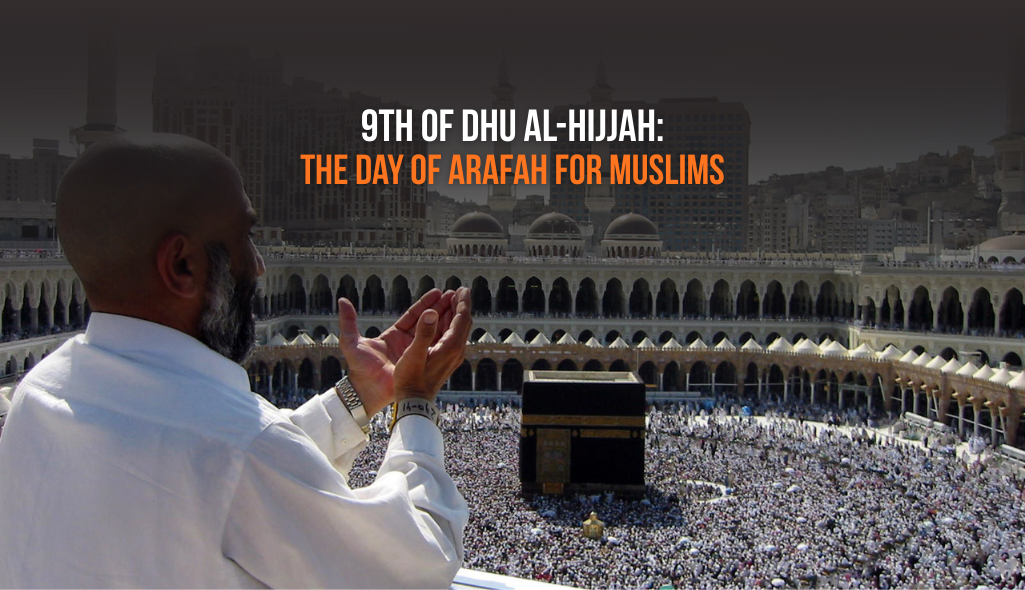
The Farewell Sermon: This sermon was delivered by the Prophet (PBUH) in the plain of Arafat. It is considered one of the most profound and comprehensive messages in Islamic history. Some key points of the sermon include:
1. Equality of Mankind: “No Arab has superiority over a non-Arab, and no non-Arab has superiority over an Arab, except by piety (taqwa).”
2. Women’s Rights: “Fear Allah regarding women, for they are entrusted to you.”
3. Sanctity of Life and Property: “Your blood, your wealth, and your honor are sacred to one another, just as this day, this month, and this city are sacred.”
4. Prohibition of Usury (Interest): “All forms of usury are abolished from today, and I start by canceling the usury owed to my uncle, Abbas ibn Abdul Muttalib.”
5. Guidance for the Ummah: “I am leaving among you two precious things. If you hold fast to them, you will never go astray: the Book of Allah (Qur’an) and my Ahlul-Bayt (family).”
6. Completion of the Message: The Prophet (PBUH) asked, “Have I conveyed the message?” The companions
replied, “Yes, you have.”
He then said, “O Allah, bear witness!”
This sermon is a complete code of life, emphasizing humanity, rights, justice, and the core principles of Islam. It remains a guiding light for all of humanity until the end of time. Demise of the Holy Prophet Muhammad (PBUH) The Holy Prophet Muhammad (Peace Be Upon Him and His Progeny) departed from this world on 28th Safar,
11 AH in Medina at the age of 63 years. Key Points Related to the Prophet’s demise:
1. Final Illness:
The Prophet (PBUH) became seriously ill after returning from the Farewell Hajj. Despite his condition, he continued to lead prayers and advise his companions. During his final days, he emphasized kindness, the rights of others, and adherence to the Qur’an and his Ahlul-Bayt (A.S).
2. Will and Testament:
The Prophet wished to write a will to guide the Ummah, but certain individuals present objected. Nevertheless, he verbally reminded the people: “I leave behind two weighty things: the Book of Allah and my Ahlul-Bayt. If you hold on to both, you will never go astray.”
3. Day of Passing:
On the 28th of Safar, the Holy Prophet (PBUH) passed away while resting in the arms of Imam Ali (A.S) or near Lady Fatima (S.A), as per narrations in Shia sources.
4. Burial:
The Prophet (PBUH) was buried in the very room where he passed away, which is now part of Masjid anNabawi in Medina. Impact on the Muslim Ummah:
The Prophet’s demise was a moment of immense grief for the Muslim world. Immediately after his passing, the issue of leadership (Imamate/Caliphate) became a major matter, leading to deep divisions in the Ummah. Ahlul-Bayt (A.S), especially Lady Fatima Zahra (S.A) and Imam Ali (A.S), faced great trials following his demise. The shrine of Prophet Muhammad (Peace Be Upon Him) is located in:
Al-Masjid an-Nabawi (The Prophet’s Mosque)
City: Madinah(Medina)
Country: Saudi Arabia
His blessed resting place is in a chamber adjacent to the Rawdah (Riyadh al-Jannah) considered one of the
gardens of Paradise. The Tremendous Rewards of Visiting the Holy Grave of Prophet Muhammad (PBUH)
A Divine Conversation Between Imam Hussain (A.S) and the Holy Prophet (PBUH) It is narrated from Imam Jafar Sadiq (A.S) that Imam Hussain (A.S) once asked his beloved grandfather, the Holy Prophet Muhammad (PBUH):
“O Grandfather! What reward is there for the one who visits you?”
The Prophet Muhammad (PBUH) replied:
“My dear son! Whoever comes to visit me during my lifetime or after my martyrdom, or visits your father Ali
(A.S), your brother Hasan (A.S), or you paradise becomes obligatory upon him.
And it is my right to visit him on the Day of Judgment and cleanse him of his sins.”
The Prophet (PBUH) further said:
“Whoever comes to visit me, I personally guarantee his safety from the terrors and hardships of the Day of Judgment. Moreover, I will elevate his status among the high ranks of paradise.” The Prophet’s (PBUH) Promise of Intercession for His Visitors Imam Jafar Sadiq (A.S) also narrated that the Holy
Prophet Muhammad (PBUH) said:
“Whoever visits my grave, I will surely intercede for him on the Day of Judgment.”
Kamil uz Ziyarat Golden Words of the Prophet (PBUH): Hadiths That Enlighten the Heart Prostrate Frequently The Path to Divine Closeness.
Prostration (Sajdah) is the peak of worship. In this state, a person demonstrates ultimate humility, dependence, and submission before Allah. At the same time, one deeply feels the greatness and majesty of the Creator. Sajdah is the best means to attain closeness to Allah, and as a result, sins are erased and obedience increases.
The Holy Prophet (PBUH) said:
“Perform prostration frequently, for it removes sins just as the wind shakes leaves off a tree.”
The Three Best Deeds This world is a place of actions. A righteous person always desires to perform the best of deeds. He tries to make the most of his time and efforts to gain the highest rewards. The Holy Prophet (PBUH) identified three of the best actions:
1. Striving against one’s own self (Nafs).
2. Resisting personal desires and temptations.
3. Detaching oneself from worldly distractions.
These are among the finest deeds one can perform.
The Worst Deeds Beware of Them Just as the best deeds are mentioned, the Prophet (PBUH) also warned about the worst of sins:
1. Associating partners with Allah (Shirk).
2. Disrespecting or disobeying one’s parents.
3. Lying and false speech.
The Prophet (PBUH) emphasized these as some of the gravest sins in the sight of Allah.
Signs of a True Believer A true believer may fall into sin, but he never remains comfortable in that state. He feels deep remorse and strives to correct himself. This effort and self-awareness are signs of a living and sincere conscience. The Prophet (PBUH) said:
“The one who feels sorrow after doing a bad deed and joy after doing a good deed is a true believer.”
The Completion of Faith One of the clear signs of a complete and mature faith is having full control over one’s desires and inner self. True belief is not just in words, but in understanding, acceptance in the heart, and righteous actions by the body. The Prophet (PBUH) taught: “Faith is to affirm with the tongue, to know with the heart, and to act with the limbs.”
Jalwa E Noor
خاتمة
The life of Prophet Muhammad (S.A.W.W) is a guiding light and perfect example for every individual, whether Muslim or non-Muslim, elite or common. His noble character helps one become a better human being. We must take lessons from his life and strive to become righteous and sincere followers. May Allah grant us the ability to follow the path of the Prophet (S.A.W.W) and bless us all with the opportunity to visit his sacred shrine. Ameen.





 12-فبراير-2026