The 8th of Dhul Hijjah: Yawm al-Tarwiyah — The Day of Quenching Thirst
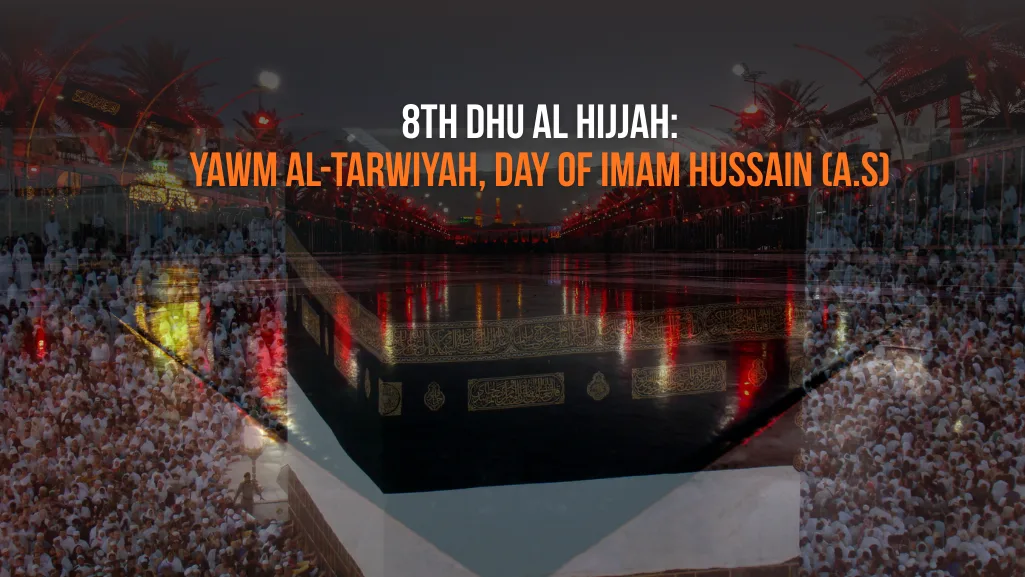
The 8th of Dhul Hijjah, known as Yawm al-Tarwiyah, holds a unique and layered significance. While it marks the first day of Hajj rituals — when pilgrims depart toward Mina — for the followers of the Ahlul Bayt, this day carries an additional weight of grief and reflection. It was on this very day in 60 AH that Imam Hussain (as) converted his Hajj into Umrah and departed from Makkah toward Karbala, choosing to safeguard the sanctity of the Kaaba with his very departure.
Tarwiyah means "to quench the thirst." Pilgrims traditionally filled their water vessels in Makkah on this day to sustain them through the sacred days ahead. Yet for the family of the Prophet (pbuh), this day began a journey of an entirely different kind of thirst — a thirst for justice, a thirst for the protection of Islam, and a thirst that would be immortalized upon the sands of Karbala.
Imam Hussain's Departure: A Choice of Truth
While the crowds moved toward Mina in pursuit of personal salvation, Imam Hussain (as) moved toward Iraq to secure the salvation of the entire Ummah. When asked why he was leaving during the days of Hajj, the Imam (as) made known that he did not want his blessed blood to be shed within the sacred precincts of Makkah. By departing, he preserved the holiness of the Kaaba for all generations to come.
This is among the most profound teachings of the Imam (as): that true worship is not merely the performance of ritual, but the courage to stand for justice at the appointed moment. He left the outward Hajj so that the spirit of the faith would live forever.
Recommended Acts (Amaal) for the 8th of Dhul Hijjah
Fasting (Sawm)
Fasting on the 8th of Dhul Hijjah is strongly emphasized in our traditions. According to a narration from Imam Ja'far al-Sadiq (as), fasting on this day carries the reward of expiation (Kaffarah) for 60 years of sins. (Mafatih al-Jinan, p. 496)
Observe the fast with the intention of seeking closeness to Allah (Qurbatan ilAllah) on this blessed day of Tarwiyah.
Ghusl (Ritual Bath)
Performing a ritual bath (Ghusl) on the 8th of Dhul Hijjah is Mustahab (recommended). It is best performed close to the time of Dhuhr prayers so that both physical and spiritual purity are achieved together in preparation for the sacred days ahead.
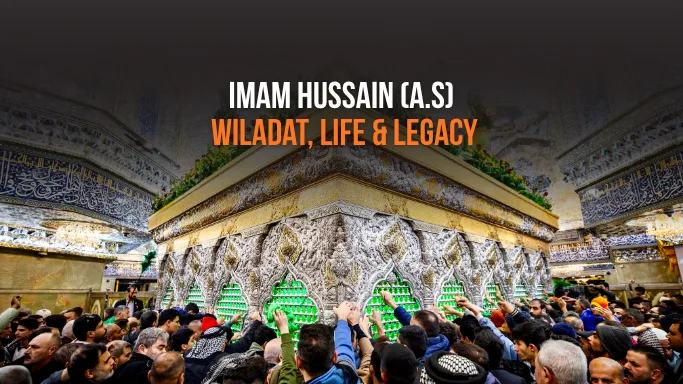
Ziyarat and Remembrance of Imam Hussain (as)
Because this is the day the Imam (as) began his final and most sacred journey, it is a day for deep reflection and grief. It is highly recommended to recite the Ziyarat of Imam Hussain (as) on this day. If a long version is not possible, even a simple salutation directed toward Karbala is of great value:
Assalamu Alayka ya Aba Abdillah.
Reflect upon how the Imam (as) left the sanctuary of Makkah to protect the very essence of Islam — teaching us that the spirit of the faith is more sacred than even the walls of the Kaaba itself.
Specific Supplications (Duas)
The following supplications are especially recommended for the first ten days of Dhul Hijjah and on the 8th in particular:
- Dua for the First 10 Days: Recite the specific supplication recorded in Mafatih al-Jinan after the obligatory Fajr and Maghrib prayers, from the first day of Dhul Hijjah up to the eve of Arafah. This supplication begins with the words: "Allahumma hadhihil ayyamul lati faddaltaha..." — "O Allah, these are the days which You have preferred above all other days..."
- Dua al-Mashlool: Often recommended for those seeking relief from burdens, this is a profound plea for divine mercy and forgiveness.
Salatul-Layl and Preparing for the Night of Arafah
The night following the 8th of Dhul Hijjah — the Eve of Arafah — is counted among the four most sacred nights of the Islamic year. It is a night when the doors of forgiveness are wide open, and it is recommended to dedicate as much time as possible to worship and supplication if one is able.
Use the afternoon of the 8th to prepare a personal dua list for the Great Day of Arafah tomorrow, as that is the day when every sincere prayer finds its answer by the grace of Allah (swt).
The Blessed First Ten Days of Dhul Hijjah
The Holy Prophet (pbuh) is reported to have said that no deeds are more beloved to Almighty Allah than acts of worship performed during these ten stated days. The Holy Quran itself refers to them as al-ayyam al-ma'lumat — The Appointed Days. The pious companions of the Prophet (pbuh) and their followers would intensify their worship extraordinarily during this period.
Fasting on the First Nine Days
It is recommended to observe fasting on the first nine days of Dhul Hijjah. The narrations indicate that such fasting carries a reward equivalent to fasting one's entire lifetime — a mercy and opportunity we cannot afford to miss.
Two-Rakat Prayer Each Night
At each of the ten nights of Dhul Hijjah, it is recommended to offer a two-unit prayer between the Maghrib and Isha' obligatory prayers. At each unit, recite Surah al-Fatihah once, Surah al-Tawhid once, and the following verse from the Holy Quran (7:142):
وَوَاعَدْنَا مُوسَىٰ ثَلَاثِينَ لَيْلَةً وَأَتْمَمْنَاهَا بِعَشْرٍ فَتَمَّ مِيقَاتُ رَبِّهِ أَرْبَعِينَ لَيْلَةً ۚ وَقَالَ مُوسَىٰ لِأَخِيهِ هَارُونَ اخْلُفْنِي فِي قَوْمِي وَأَصْلِحْ وَلَا تَتَّبِعْ سَبِيلَ الْمُفْسِدِينَ
— Translation: "And We appointed for Moses thirty nights and completed them with ten, so the term of his Lord was fulfilled in forty nights. And Moses said to his brother Aaron: 'Take my place among my people, act rightly, and do not follow the way of the corrupters.'" (Quran 7:142)
The reward for offering this prayer is described as equivalent to sharing in the spiritual rewards of those who perform the Hajj pilgrimage.
The Supplication of the First Ten Days of Dhul Hijjah
It is recommended to recite the following supplication, reported by Shaykh al-Tusi and Sayyid Ibn Tawus from Imam Ja'far al-Sadiq (as), after the obligatory Fajr and Maghrib prayers from the first day of Dhul Hijjah until the eve of the Night of Arafah:
اَللّٰهُمَّ هَذِهِ الْأَيَّامُ الَّتِي فَضَّلْتَهَا عَلَى الْأَيَّامِ وَشَرَّفْتَهَا قَدْ بَلَّغْتَنِيهَا بِمَنِّكَ وَرَحْمَتِكَ فَأَنْزِلْ عَلَيْنَا مِنْ بَرَكَاتِكَ وَأَوْسِعْ عَلَيْنَا فِيهَا مِنْ نَعْمَائِكَ اَللّٰهُمَّ إِنِّي أَسْأَلُكَ أَنْ تُصَلِّيَ عَلَى مُحَمَّدٍ وَآلِ مُحَمَّدٍ وَأَنْ تَهْدِيَنَا فِيهَا لِسَبِيلِ الْهُدَى وَالْعَفَافِ وَالْغِنَى وَالْعَمَلِ فِيهَا بِمَا تُحِبُّ وَتَرْضَى اَللّٰهُمَّ إِنِّي أَسْأَلُكَ يَا مَوْضِعَ كُلِّ شَكْوَى وَيَا سَامِعَ كُلِّ نَجْوَى وَيَا شَاهِدَ كُلِّ مَلَأٍ وَيَا عَالِمَ كُلِّ خَفِيَّةٍ أَنْ تُصَلِّيَ عَلَى مُحَمَّدٍ وَآلِ مُحَمَّدٍ وَأَنْ تَكْشِفَ عَنَّا فِيهَا الْبَلَاءَ وَتَسْتَجِيبَ لَنَا فِيهَا الدُّعَاءَ وَتُقَوِّيَنَا فِيهَا وَتُعِينَنَا وَتُوَفِّقَنَا فِيهَا لِمَا تُحِبُّ رَبَّنَا وَتَرْضَى وَعَلَى مَا افْتَرَضْتَ عَلَيْنَا مِنْ طَاعَتِكَ وَطَاعَةِ رَسُولِكَ وَأَهْلِ وِلَايَتِكَ اَللّٰهُمَّ إِنِّي أَسْأَلُكَ يَا أَرْحَمَ الرَّاحِمِينَ أَنْ تُصَلِّيَ عَلَى مُحَمَّدٍ وَآلِ مُحَمَّدٍ وَأَنْ تَهَبَ لَنَا فِيهَا الرِّضَا إِنَّكَ سَمِيعُ الدُّعَاءِ وَلَا تَحْرِمْنَا خَيْرَ مَا تُنْزِلُ فِيهَا مِنَ السَّمَاءِ وَطَهِّرْنَا مِنَ الذُّنُوبِ يَا عَلَّامَ الْغُيُوبِ وَأَوْجِبْ لَنَا فِيهَا دَارَ الْخُلُودِ اَللّٰهُمَّ صَلِّ عَلَى مُحَمَّدٍ وَآلِ مُحَمَّدٍ وَلَا تَتْرُكْ لَنَا فِيهَا ذَنْبًا إِلَّا غَفَرْتَهُ وَلَا هَمًّا إِلَّا فَرَّجْتَهُ وَلَا دَيْنًا إِلَّا قَضَيْتَهُ وَلَا غَائِبًا إِلَّا أَدَّيْتَهُ وَلَا حَاجَةً مِنْ حَوَائِجِ الدُّنْيَا وَالْآخِرَةِ إِلَّا سَهَّلْتَهَا وَيَسَّرْتَهَا إِنَّكَ عَلَى كُلِّ شَيْءٍ قَدِيرٌ اَللّٰهُمَّ يَا عَالِمَ الْخَفِيَّاتِ يَا رَاحِمَ الْعَبَرَاتِ يَا مُجِيبَ الدَّعَوَاتِ يَا رَبَّ الْأَرَضِينَ وَالسَّمَاوَاتِ يَا مَنْ لَا تَتَشَابَهُ عَلَيْهِ الْأَصْوَاتُ صَلِّ عَلَى مُحَمَّدٍ وَآلِ مُحَمَّدٍ وَاجْعَلْنَا فِيهَا مِنْ عُتَقَائِكَ وَطُلَقَائِكَ مِنَ النَّارِ وَالْفَائِزِينَ بِجَنَّتِكَ وَالنَّاجِينَ بِرَحْمَتِكَ يَا أَرْحَمَ الرَّاحِمِينَ
— Translation: "O Allah, these are the days which You have preferred and honoured above all other days. You have allowed me to reach them through Your grace and mercy. So send down upon us Your blessings and expand upon us in these days Your bounties. O Allah, I ask You to send blessings upon Muhammad and the family of Muhammad, and to guide us in these days to the path of guidance, chastity, contentment, and deeds that You love and are pleased with..."
The Five Testaments of the First Ten Days
It is reported that Archangel Jibreel conveyed these five testaments as a divine gift to Prophet 'Isa (Jesus) (as) and instructed him to recite them during the first ten days of Dhul Hijjah. It is recommended to recite each testament 100 times per day. 'Allamah al-Majlisi also indicates that reciting each ten times is acceptable, though one hundred is more virtuous:
أَشْهَدُ أَنْ لَا إِلَهَ إِلَّا اللَّهُ وَحْدَهُ لَا شَرِيكَ لَهُ لَهُ الْمُلْكُ وَلَهُ الْحَمْدُ بِيَدِهِ الْخَيْرُ وَهُوَ عَلَى كُلِّ شَيْءٍ قَدِيرٌ ۞ أَشْهَدُ أَنْ لَا إِلَهَ إِلَّا اللَّهُ وَحْدَهُ لَا شَرِيكَ لَهُ أَحَدًا صَمَدًا لَمْ يَتَّخِذْ صَاحِبَةً وَلَا وَلَدًا ۞ أَشْهَدُ أَنْ لَا إِلَهَ إِلَّا اللَّهُ وَحْدَهُ لَا شَرِيكَ لَهُ أَحَدًا صَمَدًا لَمْ يَلِدْ وَلَمْ يُولَدْ وَلَمْ يَكُنْ لَهُ كُفُوًا أَحَدٌ ۞ أَشْهَدُ أَنْ لَا إِلَهَ إِلَّا اللَّهُ وَحْدَهُ لَا شَرِيكَ لَهُ لَهُ الْمُلْكُ وَلَهُ الْحَمْدُ يُحْيِي وَيُمِيتُ وَهُوَ حَيٌّ لَا يَمُوتُ بِيَدِهِ الْخَيْرُ وَهُوَ عَلَى كُلِّ شَيْءٍ قَدِيرٌ ۞ حَسْبِيَ اللَّهُ وَكَفَى سَمِعَ اللَّهُ لِمَنْ دَعَا لَيْسَ وَرَاءَ اللَّهِ مُنْتَهَى
Translation of the Five Testaments: (1) I bear witness that there is no god but Allah, alone, without partner; His is the dominion and His is the praise, in His hand is all good, and He has power over all things. (2) I bear witness that there is no god but Allah, alone, without partner, the One, the Eternal, who has taken no wife and no child. (3) I bear witness that there is no god but Allah, alone, without partner, the One, the Eternal, who neither begets nor is begotten, and there is none comparable to Him. (4) I bear witness that there is no god but Allah, alone, without partner; His is the dominion and His is the praise; He gives life and causes death, and He is the Ever-Living who does not die; in His hand is all good, and He has power over all things. (5) Allah suffices me and He is enough; Allah hears whoever calls upon Him; beyond Allah there is no limit.
The Invocation from Imam Ali (as) for These Blessed Days
The following invocation is reported from Imam Ali Ameer al-Momineen (as) for the first ten days of Dhul Hijjah. An excellent reward has been narrated for those who recite it, and it is recommended to be repeated ten times each day:
لَا إِلَهَ إِلَّا اللَّهُ عَدَدَ اللَّيَالِي وَالدُّهُورِ لَا إِلَهَ إِلَّا اللَّهُ عَدَدَ أَمْوَاجِ الْبُحُورِ لَا إِلَهَ إِلَّا اللَّهُ وَرَحْمَتُهُ خَيْرٌ مِمَّا يَجْمَعُونَ لَا إِلَهَ إِلَّا اللَّهُ عَدَدَ الشَّوْكِ وَالشَّجَرِ لَا إِلَهَ إِلَّا اللَّهُ عَدَدَ الشَّعْرِ وَالْوَبَرِ لَا إِلَهَ إِلَّا اللَّهُ عَدَدَ الْحَجَرِ وَالْمَدَرِ لَا إِلَهَ إِلَّا اللَّهُ عَدَدَ لَمْحِ الْعُيُونِ لَا إِلَهَ إِلَّا اللَّهُ فِي اللَّيْلِ إِذَا عَسْعَسَ وَفِي الصُّبْحِ إِذَا تَنَفَّسَ لَا إِلَهَ إِلَّا اللَّهُ عَدَدَ الرِّيَاحِ فِي الْبَرَارِي وَالصُّخُورِ لَا إِلَهَ إِلَّا اللَّهُ مِنَ الْيَوْمِ إِلَى يَوْمِ يُنْفَخُ فِي الصُّورِ
— Translation: "There is no god but Allah, as numerous as the nights and ages. There is no god but Allah, as numerous as the waves of the seas. There is no god but Allah, and His mercy is better than all that they gather. There is no god but Allah, as numerous as the thorns and trees. There is no god but Allah, as numerous as the hairs and wool. There is no god but Allah, as numerous as the rocks and clods of earth. There is no god but Allah, as numerous as the blinks of eyes. There is no god but Allah in the night when it recedes and in the dawn when it breathes. There is no god but Allah, as numerous as the winds in the plains and upon the rocks. There is no god but Allah, from this day until the day the Trumpet is blown."
Conclusion: A Day Between Two Journeys
As the sun sets on the 8th of Dhul Hijjah, our hearts stand between the plains of Mina and the road to Karbala. While the world prepares for the Day of Arafah, we remember Imam Hussain (as) — who traded his pilgrimage for the highest sacrifice, leaving the Kaaba to become its true and eternal protector.
Whether you fast today, recite your Ziyarat from afar, or spend these hours in supplication, let your amaal be a bridge to the Imam's mission. Use this evening to purify your intentions, for tomorrow is the day when every prayer finds its answer. And remember: every Labbaik you call out in these sacred days is an echo of the Imam's final journey — a journey he began so that your faith would endure.
The 8th of Dhul Hijjah is not simply a historical memory — it is an annual invitation to choose truth over comfort, just as the Imam (as) chose the road to Karbala over the safety of the Kaaba. Let it move you to act.
Plan Your Own Journey to Karbala and Najaf
Imam Hussain (as) began his journey on this very day so that future generations could answer his call. When you stand in Karbala and recite your Ziyarat, you are completing what began on the 8th of Dhul Hijjah.
Let this 8th of Dhul Hijjah be the day you decide to begin your own journey of light.
For more information or any queries, feel free to contact us. We are always ready to help you plan a peaceful and blessed journey.