Introduction: The Spiritual Importance of 9th Muharram
The 9th of Muharram, known as Tasu’a, is one of the most spiritually significant days in the Shia Islamic calendar. It precedes Ashura, the day when Imam Husayn (AS) and his companions faced the ultimate trial and martyrdom in Karbala. Tasu’a is remembered as a night and day of preparation, reflection, and deep spiritual contemplation.
Historically, Imam Husayn (AS) and his companions spent this night in prayer, reflection, and supplication, fully aware of the tragic events that awaited them. They sought Allah’s guidance, mercy, and support, demonstrating patience, courage, and absolute submission to the divine will. This historical context gives believers today a chance to emulate their spiritual readiness, devotion, and resilience in the face of trials.
For the contemporary believer, Tasu’a serves as an opportunity for spiritual renewal. It is a time to detach from worldly distractions, refocus on moral and ethical principles, and strengthen one’s connection with Allah. Devotion on this day helps cultivate virtues such as patience (sabr), courage (shuja’a), steadfastness, and complete reliance on Allah (tawakkul). It is a moment to internalize the lessons of Karbala and renew one’s commitment to justice, truth, and piety.
The faithful are encouraged to dedicate both the night and day to worship, remembrance, reflection, and acts of spiritual growth. Observing Tasu’a is a way to emotionally, mentally, and spiritually align with the trials faced by Imam Husayn (AS), and to understand that the message of Karbala is timeless, guiding humanity to uphold values of justice, sacrifice, and sincerity in faith.
Preparation and Intention
Make a Sincere Intention (Niyyah)
Every act of worship in Islam begins with a sincere intention. The niyyah is the inner commitment that turns ordinary deeds into meaningful acts of devotion. On Tasu’a, the believer should consciously intend to:
- Draw closer to Allah and strengthen their spiritual relationship with Him
- Seek forgiveness for past sins and mistakes, purifying the heart from negligence
- Honor the sacrifices of Imam Husayn (AS) and his companions by emulating their devotion and steadfastness
A pure intention transforms even simple acts, such as reciting dhikr or performing voluntary prayers, into powerful acts of worship. Scholars emphasize that without a clear and heartfelt intention, acts of devotion lose their spiritual impact. By making niyyah, the believer ensures that every prayer, supplication, and reflection on Tasu’a is performed for the pleasure of Allah and in the spirit of the Karbala legacy.
Preparing the mind and heart before beginning the night’s worship also helps believers remain focused and conscious of the spiritual purpose of Tasu’a. This preparation includes detaching from worldly thoughts, avoiding distractions, and reminding oneself of the moral and ethical lessons of Karbala, such as the importance of truth, justice, and sacrifice.
Vigil Through the Night (Shab-e-Tasu’a)
Spiritual Vigil and Prayer
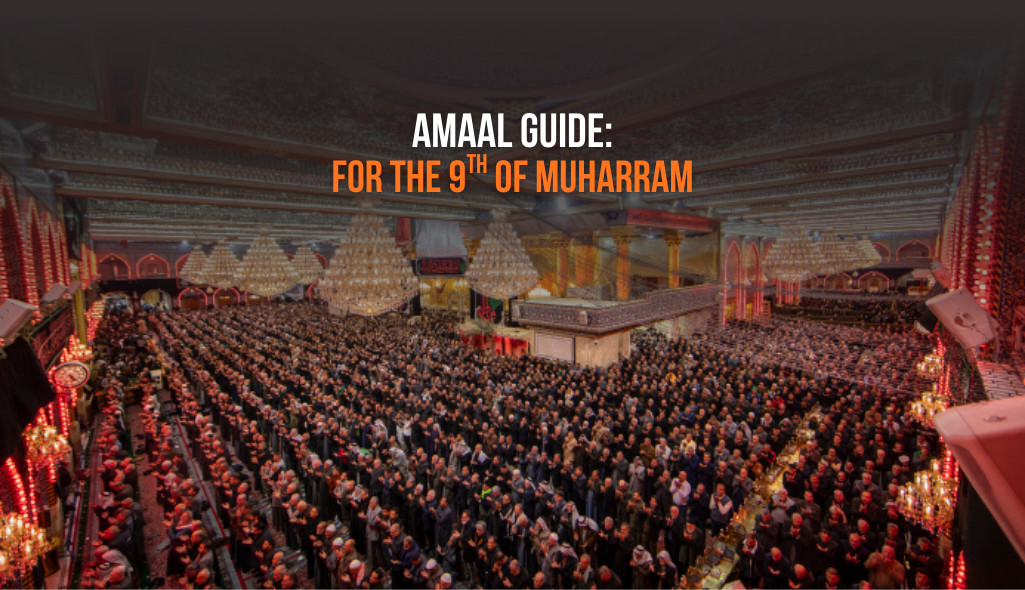
The night of Tasu’a, also called Shab-e-Tasu’a, is considered a night of spiritual awakening. Believers are encouraged to spend the hours in worship, prayer, recitation, and remembrance of Allah. This practice mirrors the actions of Imam Husayn (AS) and his companions, who spent the night before Ashura fully immersed in devotion, preparing themselves spiritually for the trials of the next day.
Recommended acts of worship include:
- Performing Salat (obligatory and voluntary prayers) to seek closeness to Allah
- Reciting the Qur’an with reflection on its teachings about patience, justice, and sacrifice
- Engaging in dhikr, including Tahleel (La ilaha illa Allah), Tasbih (SubhanAllah), Hamd (Alhamdulillah), and Takbir (Allahu Akbar)
- Sending Salawat (Durood) upon Prophet Muhammad (SAW) and the Ahl al-Bayt (AS), which deepens the spiritual connection and brings divine blessings
Keeping vigil is a means to emulate the spiritual resilience of Imam Husayn (AS). Even staying awake for a few hours with sincerity is far more meritorious than long hours of worship without focus. Scholars advise that the night should be free of distractions, allowing the believer to concentrate fully on connecting with Allah and reflecting on the moral lessons of Karbala.
During this night, the heart should be filled with humility, gratitude, and reverence, understanding that the sacrifices of Karbala were made for the preservation of Islam, truth, and justice. The night’s vigil prepares the believer to face personal challenges with patience, steadfastness, and moral clarity.
Recommended Prayers on the Night
Mafatih al-Jinan and classical sources, such as Ibn Tawus’ al-Iqbal, provide guidance on prayers for Tasu’a, emphasizing spiritual reward and reflection.
100-Rakat Prayer
One highly recommended act is performing 100 voluntary rak’ahs, divided into sets of two. In each rak’ah:
- Recite Surah al-Fatihah, followed by Surah al-Ikhlas three times
After completing all 100 rak’ahs, recite the following glorification 70 times:
“Subḥānallāh, Al-ḥamdu lillāh, Wa lā ilāha illallāh, Allāhu akbar, Wa lā ḥawla wa lā quwwata illā billāh al-‘Aliyy al-‘Aẓīm.”
This prayer purifies the heart, strengthens faith, and helps the believer connect with the sacrifices of Karbala. Each rak’ah is a reflection of devotion, patience, and steadfastness, embodying the spiritual journey of Imam Husayn (AS) and his companions.
4-Rakat Prayer (At the End of Night)
Towards the end of the night, perform four extra rak’ahs. In each rak’ah:
- Recite Ayat al-Kursi once
- Recite Surah al-Ikhlas 10 times
- Recite Surah al-Falaq 10 times
- Recite Surah al-Nas 10 times
After finishing, recite Surah al-Ikhlas 100 times.
These prayers symbolize spiritual readiness, patience, and moral courage. Performing them helps the believer internalize the spirit of Karbala and prepares the heart for reflection and self-discipline.
Du’a and Ziyarat on Tasu’a Night
Although Mafatih al-Jinan does not prescribe a unique du’a solely for Tasu’a, believers are encouraged to:
- Recite Salawat frequently to send blessings on Prophet Muhammad (SAW) and the Ahl al-Bayt (AS)
- Engage in personal supplications seeking guidance, steadfastness, forgiveness, and mercy
- Recite portions of Ziyarat Ashura or other ziyarat texts from Mafatih al-Jinan to honor Imam Husayn (AS)
This practice connects the believer directly with Karbala’s spiritual legacy, fostering love, remembrance, and devotion. Scholars highlight that even reciting small portions of Ziyarat with deep reflection is more spiritually rewarding than lengthy acts of worship without attention and understanding.
Through du’a and ziyarat, the believer’s heart aligns with the principles of truth, justice, and devotion demonstrated at Karbala. These acts remind believers that true spirituality combines both reflection and action, encouraging a life rooted in sincerity and moral courage.
Recommended Conduct During the Day
Abstaining from Worldly Joy
On the 9th of Muharram, believers are encouraged to refrain from:
- Loud celebrations or social gatherings
- Entertainment, trivial activities, or frivolous distractions
The day should instead be dedicated to mourning, reflection, and spiritual preparation. Abstaining from worldly joys helps maintain focus on the lessons of Karbala and deepens empathy for the sacrifices made by Imam Husayn (AS) and his companions.
Optional Fasting (Varied Opinions)
Fasting on Tasu’a is a matter of scholarly difference:
- Some classical sources recommend voluntary fasting during early Muharram, including the 9th
- Contemporary maraji’, such as Ayatollah Sistani, emphasize fasting on specific days like the 1st, 3rd, and 7th, but not necessarily on Tasu’a
The central focus is on spiritual reflection and devotion rather than physical abstinence. Fasting, if performed, enhances mindfulness, empathy, and spiritual discipline, complementing the worship of Tasu’a night.
Recommended Good Deeds
Recitation of Qur’an
Reflect on verses emphasizing:
- Patience (sabr)
- Sacrifice (fida’)
- Justice (adl)
The Qur’an’s teachings guide the believer in internalizing the principles exemplified by Karbala and applying them in daily life.
Sending Blessings (Durood)
Reciting Salawat frequently strengthens the believer’s spiritual connection with the Prophet (SAW) and the Ahl al-Bayt (AS), bringing immense reward and spiritual blessings.
Seeking Forgiveness (Istighfar)
Reciting Astaghfirullah and making sincere repentance aligns the heart with the devotion and steadfastness of Imam Husayn (AS), purifying the soul and strengthening faith.
Visiting the Shrine (If Possible)
For those able, visiting the shrine of Imam Husayn (AS) on Tasu’a night carries extraordinary reward. Tradition holds that pilgrims who spend the night in worship at Karbala may be resurrected alongside the martyrs on the Day of Judgment.
Being present in Karbala allows the believer to:
- Experience the spiritual atmosphere firsthand
- Feel a direct connection with the sacrifices of Imam Husayn (AS) and his companions
- Deepen understanding of patience, courage, and unwavering faith in the face of oppression
Even those unable to visit physically are encouraged to recite Ziyarat virtually or from afar, focusing the heart and mind on Karbala’s lessons and applying them in daily life.
Ziarat Planner – Your Ashura Journey Made Easy
ZiaratPlanner.com provides fully managed packages for pilgrims visiting Karbala during Tasu’a and Ashura. Services include:
- Comfortable accommodation near the shrine
- Nutritious meals and refreshments
- Safe and reliable transportation
With a professionally organized journey, pilgrims can dedicate themselves entirely to worship, reflection, and du’a without the stress of logistics. ZiaratPlanner ensures that the focus remains on spiritual growth and experiencing the sacredness of Karbala fully.
Book your journey today:
Website: ZiaratPlanner.com | Email: Info@ziaratplanner.com | WhatsApp: +964 786 206 0777
Conclusion: What This Night Means for the Believer
Tasu’a is a night and day of immense spiritual importance, preparing the believer for the grief, trials, and ultimate lessons of Ashura. By dedicating time to prayer, Qur’an recitation, du’a, remembrance, and reflection, the believer cultivates patience, steadfastness, courage, and complete reliance on Allah.
Observing the amaals of Tasu’a is not simply about performing rituals. It is about purifying the heart, seeking forgiveness, and renewing commitment to Allah and the guidance of the Ahl al-Bayt (AS). Aligning one’s soul with the spirit of Karbala instills moral clarity, spiritual strength, and a deeper understanding of faith.
Tasu’a becomes a night of transformation, teaching believers that devotion, remembrance, and sacrifice are pathways to closeness with Allah. It is a reminder that following truth, justice, and piety in life requires courage, patience, and unwavering faith, lessons that remain timeless and universally relevant.
By observing Tasu’a with sincerity and reflection, believers not only honor the legacy of Imam Husayn (AS) but also nurture their own spiritual growth, embracing a life rooted in ethical principles, devotion, and moral courage.





 04-Jun-2026