Introduction
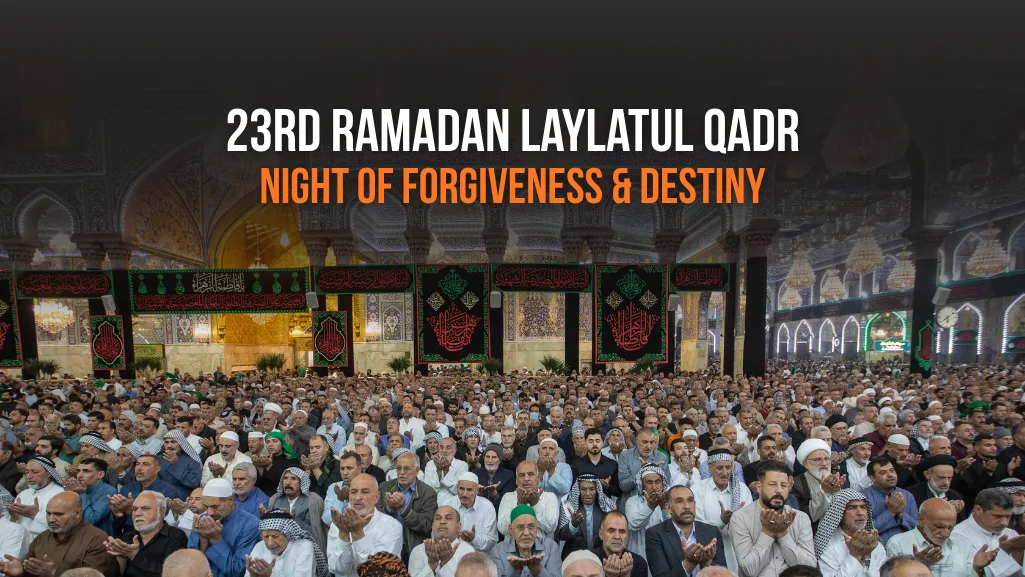
Laylatul Qadr, also known as the Night of Decree, is the most blessed night in the entire month of Ramadan. Allah describes it as a night "better than a thousand months" (Qur'an 97:3), meaning that worship performed during these few hours is more valuable than a lifetime of devotion. On this night, Allah sends down His mercy, forgives sins, and writes the destiny of His servants for the coming year. It is also the night when the Qur'an was first revealed—a moment that changed the history of humanity by bringing guidance, light, and truth to the world.
Every year, Muslims around the world eagerly seek Laylatul Qadr, hoping to earn Allah's forgiveness, soften their hearts, and ask for a better destiny. It is a night when prayers are accepted, tears are heard, and burdens are lifted.
This blog will explore Laylatul Qadr in simple and easy English, focusing on its meanings as a night of forgiveness, mercy, and destiny. It will also include authentic references from the Qur'an, Hadith, and Islamic books, along with recommended worship and spiritual lessons for this blessed night.
What is Laylatul Qadr?
Laylatul Qadr, often translated as the Night of Decree or the Night of Power, is one of the most sacred nights in Islam. The Arabic word Qadr carries several beautiful meanings: power, because it reflects Allah's absolute strength and authority; destiny, because the events of the coming year are written on this night; and honor, because worship during it is more valuable than worship done over many years. This night holds a spiritual weight unlike any other time in the year.
Allah describes its greatness in Surah Al-Qadr (97:1–5), where He says:
“"Indeed, We sent the Qur'an down during the Night of Decree."”
This night marks the beginning of Allah's final guidance to humanity, when the first verses of the Qur'an were revealed to the Prophet Muhammad (PBUH).
Why Laylatul Qadr is the Night of Forgiveness
Laylatul Qadr is called the Night of Forgiveness because Allah opens the doors of mercy and accepts the sincere repentance of His servants. Anyone who turns to Allah on this night with a clean heart and honest regret can have their past sins completely wiped away. The Prophet Muhammad (PBUH) said:
“"Whoever stands in prayer on Laylatul Qadr with faith and seeking reward, all his previous sins will be forgiven."”
— Sahih Bukhari 1901; Sahih Muslim 760
Allah describes this night as "Peace until the rise of dawn" (Qur'an 97:5), showing that it is filled with calmness, mercy, and acceptance. Imam Ali (AS) explained in Nahjul Balagha, Sermon 192, that Laylatul Qadr is the night when prayers are accepted and sins are forgiven. Imam Ja'far al-Sadiq (AS) also said in al-Kafi, Vol. 4, p. 158 that the sins of believers are forgiven on this night—except those who carry hatred in their hearts.
Why Laylatul Qadr is the Night of Mercy
Laylatul Qadr is called the Night of Mercy because Allah fills it with blessings that are greater than those found in an entire lifetime. On this night, angels descend in countless numbers, bringing peace, mercy, and divine comfort to the hearts of believers. Allah says in the Qur'an:
“"The angels and the Spirit descend by Allah's command."”
— Qur'an 97:4
According to Tafsir Ibn Kathir, the angels come down carrying every decree and bringing Allah's kindness and protection for His servants. There is also a narration in Musnad Ahmad, Hadith 3436, where the Prophet (PBUH) said that Allah looks at His creation with mercy on this night.
Imam al-Baqir (AS) beautifully explains in al-Kafi, Vol. 4, that on Laylatul Qadr, mercy "rains" upon the believers more than at any other time. This makes it a night of healing, acceptance, and endless blessings for those who turn to Allah.
Why Laylatul Qadr is the Night of Destiny
Laylatul Qadr is known as the Night of Destiny because it is the night when Allah writes the annual decree for every person. Matters such as life, death, sustenance, opportunities, and important events for the coming year are decided with perfect wisdom. Allah says in Surah ad-Dukhan (44:3–4):
“"Every wise matter is determined."”
According to Tafsir al-Tabari, this means the destiny of each servant is written and handed to the angels. According to the Shia tradition, the angels and spirit bring the matter to the Imam of the time. In Tafsir Qummi, Ali ibn Ibrahim says: "The angels and the Holy Spirit descend upon the Imam of the Time and deliver to him what they have written concerning these affairs." (Tafsir Qummi, vol 2, pp 431)
The author then quotes this hadith:
“It was said to Abu Ja'far (peace be upon him), "Do you know the Night of Decree?" He replied, "How could we not know the Night of Decree, when the angels circulate around us on that night?"”
— Tafsir Qummi, vol 2, pp 432
Imam Ali (AS) explains in Nahjul Balagha, Letter 62, that Qadr is Allah's perfect planning and arrangement. Al-Kafi, Vol. 1, p. 149, further states that destinies are written and delivered to the angels on this night. This is why believers spend these hours in dua, charity, and worship—hoping for a destiny filled with blessing and protection.
Laylatul Qadr – Exact Dates
According to the Shia tradition, Laylatul Qadr occurs on the 19th, 21st, and 23rd nights of Ramadan. Zurarah narrated:
“"Abu Abd Allah (AS) has said, 'Measurement and determination is on the night of the nineteenth, verification is on the twenty-first night and final approval is on the twenty-third night.'"”
— Kafi, vol 1, book 2 (The Book of Fasting), chapter 69, Hadith 9
19th Night of Ramadan – Beginning of Destiny
Known as the night when the "Book of Destiny" begins to open.
References:
- Al-Kafi, Vol. 4, p. 157–158 – Imam al-Baqir (AS): "The decrees are written on the 19th night."
- Tahdhib al-Ahkam, Vol. 3, p. 58 – Mentions this night as the start of the decree.
21st Night of Ramadan – Confirmation of Destiny
Destiny becomes clearer and is dispatched to the angels.
References:
- Al-Irshad, Vol. 1, p. 362 – Imam Ali (AS) was struck on this night, increasing its significance.
- Al-Kafi, Vol. 4, p. 158 – Imam al-Sadiq (AS): "On the 21st night, the decrees are confirmed."
- Misbah al-Mutahajjid – Strongly recommends special A'maal.
23rd Night of Ramadan – The Most Likely Night
The night most emphasized by the Ahl al-Bayt (AS).
References:
- Al-Kafi, Vol. 4, p. 158 – Imam al-Sadiq (AS): "The 23rd night is the Night of Qadr, undoubtedly."
- Al-Kafi, Vol. 1, p. 248–249 – Imam al-Sadiq (AS) stayed awake fully on this night.
- Man La Yahduruhu al-Faqih, Vol. 2, p. 154 – Stresses the importance of the 23rd night.
Signs of Laylatul Qadr
Although the exact date of Laylatul Qadr is hidden, the Prophet (PBUH) and the scholars have described certain signs that often appear on this blessed night. One of the most well-known signs is the deep sense of peace and calmness that fills the atmosphere. The night feels different—quiet, gentle, and spiritually soothing. Many believers notice that their hearts feel unusually soft, focused, and close to Allah, as if worries and distractions are lifted.
Scholars mention that the weather on Laylatul Qadr is often neither too hot nor too cold, but comfortable and pleasant. Angels descend throughout the night, and their presence brings a special calm and lightness, as mentioned in Musnad Ahmad, where it is narrated that the atmosphere becomes serene due to their descent.
One of the clearest signs appears the next morning. According to Sahih Muslim (Hadith 762), the sun rises "soft and without strong rays," meaning the sunlight is gentle and not harsh. Tafsir Ibn Kathir also notes that this sign shows the night was filled with blessing and peace.
Recommended A'maal and Worship on Laylatul Qadr
Laylatul Qadr is a night filled with endless blessings, and the best way to benefit from it is through sincere worship. The following A'maal are simple, meaningful, and supported by Qur'an and authentic Islamic sources.
1. Qur'an Recitation
The Qur'an is the heart of this night because Allah revealed it on Laylatul Qadr. Allah says, "Indeed, We sent it down during the Night of Decree" (Qur'an 97:1). Reading the Qur'an softens the heart and brings deep spiritual connection.
Recommended surahs include:
- Surah al-Qadr
- Surah ad-Dukhan
- Surah Ankaboot
- Surah Rum
Reciting these chapters brings tranquility and draws the believer closer to Allah.
2. Dua and Istighfar
This is the night to pour your heart out to Allah. The most important dua is the one the Prophet (PBUH) taught Aisha (RA):
اللَّهُمَّ إِنَّكَ عَفُوٌّ تُحِبُّ الْعَفْوَ فَاعْفُ عَنِّي
Transliteration: Allahumma innaka 'afuwwun tuhibbul 'afwa fa'fu 'anni
Translation: "O Allah, You are Forgiving and love to forgive, so forgive me."
— Tirmidhi 3513
Ask Allah for forgiveness for yourself, your parents, your family, and the entire Ummah. Repent sincerely and seek a new beginning.
3. Salatul Layl / Tahajjud
Late-night prayers are among the most powerful acts on Laylatul Qadr. Sujood (prostration) is where destinies change, hearts soften, and duas are accepted. Even two sincere rak'ats can bring immense blessing.
4. Ziyarat of Ahl al-Bayt (AS)
For those who follow this tradition, reciting Ziyarat of Imam Hussain (AS) on the nights of Qadr is highly recommended. It brings spiritual closeness and adds light to one's worship.
5. Charity (Sadaqah)
Even small charity given on this night protects a person from future hardships and earns multiplied reward. It is a beautiful way to express gratitude and help those in need.
6. A'maal from Mafatih al-Jinan
Mafatih al-Jinan lists many recommended acts for Laylatul Qadr, such as:
- Dua-e-Jawshan al-Kabir
- Dua-e-Istighfar
- 100 Rak'at prayer
- Tasbih of Fatimah Zahra (AS)
These prayers purify the soul and help one build a strong connection with Allah.
Lessons Laylatul Qadr Teaches Us
Laylatul Qadr teaches believers some of the most powerful spiritual lessons in Islam. The first is the value of time—a single night is described as better than a thousand months, reminding us that every moment matters and can transform our destiny. This night also shows the power of sincere dua; when a person turns to Allah with humility, their life, sustenance, and future can be changed through prayer.
Laylatul Qadr teaches that Allah's mercy outweighs His anger. No matter how far a person has gone, this night opens the doors of forgiveness and invites us to return to Him.
Another lesson is that one night of sincerity can change an entire lifetime. Allah does not look at quantity but the purity of the heart. Laylatul Qadr also encourages us to become humble and thankful, remembering that everything we have is from Allah's generosity. Finally, the night teaches the importance of healing relationships and forgiving others, because mercy and compassion attract Allah's mercy.
In essence, Laylatul Qadr is a reminder that change, forgiveness, and spiritual elevation are always possible.
Conclusion
Laylatul Qadr is the night that can shape a person's entire future. It is the blessed night when Allah's forgiveness pours down, His mercy surrounds the believers, and the destiny of the coming year is written with divine wisdom. The Qur'an teaches that this one night is better than a thousand months, reminding us that sincere worship, even for a few hours, can earn a lifetime of blessings.
The true winners of Laylatul Qadr are not those who stay awake only with their bodies, but those whose hearts turn sincerely to Allah—seeking forgiveness, asking for guidance, and hoping for a better destiny. It is a night when doors of change are opened, past mistakes can be erased, and new beginnings are written.
As Ramadan's most powerful nights approach, every believer is encouraged to prepare with an open heart—free from grudges, full of gratitude, and ready to reconnect with Allah. If we spend these nights in prayer, dua, Qur'an, and kindness, then by Allah's mercy, the year ahead will be filled with light, peace, and blessings.
“Discover the Spiritual Power of Visiting the Holy Shrines on Sacred Days. Experience a journey that elevates your soul, deepens your faith, and connects you to the timeless blessings of the holy sites. Plan your ziyarat with comfort, guidance, and meaningful spiritual experiences.
Visit: www.ziaratplanner.com | Email: info@ziaratplanner.com | WhatsApp: +964 786 206 0777”
For more information or any queries, feel free to contact us. We are always ready to help you plan a peaceful and blessed journey.