“"And those who strive for Us – We will surely guide them to Our ways. And indeed, Allah is with the doers of good." — Surah Al-Ankabut 29:69”
Relevance of Surah Al-Ankabut 29:69 to Imam Ali (AS)
This ayat is chosen because it beautifully reflects the life, character, and legacy of Imam Ali (AS). His entire life was a model of striving (jihad-un-nafs, struggle for justice, defending Islam, worshipping sincerely, and sacrificing for Allah). The verse promises that those who struggle sincerely for the sake of Allah are guided by Him, and Imam Ali (AS) is one of the greatest examples of this divine promise.
This verse teaches that when a believer makes a sincere effort for Allah, whether through worship, defending truth, standing for justice, or remaining patient in hardship, Allah opens paths of guidance for them and never leaves them alone.
Biography
| Name: | Ali ibn Abi Talib |
| Kuniyat: | Abu Turab, Abu al-Hasan |
| Titles (Alqabat): | • Amir al-Mu'minin (Commander of the Faithful) • Asadullah (Lion of Allah) • Abu Turab (Father of the Soil) • Murtaza (The Chosen One) • Hyder (Lion) • Imam al-Muttaqeen (Leader of the Pious) • Wali Allah (Friend of Allah) |
| Parents: | Father - Abu Talib ibn Abdul Muttalib Mother - Fatimah bint Asad |
| Date of Wiladat: | 13th Rajab, 30 Amul Fil (600 CE) |
| Date of Shahadat: | 21st Ramadan, 40 AH (661 CE) |
| Battles: | Badr, Uhud, Khandaq, Khyber, Jamal |
| Place of Birth: | Makkah, inside the Holy Kabah |
| Place of Shrine: | Najaf, Iraq |
The Ziyarat of Imam Ali (AS) in Najaf is seen as a journey of light and nearness to Allah. It is narrated that visiting the Commander of the Faithful purifies the heart, increases wisdom, and brings blessings into one's life. His shrine is a place where prayers are answered, burdens are lifted, and believers are reminded of his unmatched justice, bravery, and devotion to truth. Standing at his mausoleum inspires the soul to walk the path of righteousness he taught.
Hadith on Visiting the Shrine of Imam Ali (AS)
“Imam Ja'far al-Sadiq (AS) is narrated to have said that visiting the grave of Imam Ali (AS) carries the reward of visiting the Prophet (PBUH & his family). It is considered a means of earning divine mercy and nearness to Allah.”
— Kamil al-Ziyarat By Ibn Qulawayh
“If you are considering a ziyarat trip, guidance and information can be provided to help you explore suitable options that match your needs and comfort. For further details or to learn more, feel free to check our page.
Visit: www.ziaratplanner.com | Email: info@ziaratplanner.com | WhatsApp: +964 786 2060777”
The Radiant Beginning of Imam Ali
Imam Ali (AS), the cousin and son-in-law of Prophet Muhammad (PBUH), was raised by Prophet Muhammad (PBUH) from a young age and was known for his wisdom, bravery, and piety. He played a crucial role in the early Muslim community. Imam Ali (AS) is known for his eloquent sermons, wise sayings, and just governance. He was martyred on the 21st of Ramadan. Imam Ali (AS) was divinely appointed as the successor to Prophet Muhammad (PBUH) and is considered the first Imam of the Ahl al-Bayt (the Prophet's household).
The 19th night of Ramadan holds great importance. It marks the night when Imam Ali (AS) faced a major turning point in his life while worshipping in Masjid al-Kufa. This night is remembered for his patience, trust in Allah, and strength during a difficult moment. The Night of the 19th also opens the three blessed Nights of Qadar (19th, 21st, 23rd), during which Muslims seek forgiveness and pray for guidance. The Night of 19 reminds believers of Imam Ali's lifelong message of courage, sincerity, and staying connected to Allah through prayer and good actions.
Background: Imam Ali (AS) as the Leader
“"He grants wisdom to whom He wills, and whoever has been granted wisdom has certainly been given much good."”
— Surah Al-Baqarah 2:269
After the assassination of Uthman ibn Affan, Imam Ali (AS) became the caliph. Despite his willingness to lead with justice and equity, he faced severe opposition from those who were envious or fearful of his strong commitment to Islamic principles. His leadership emphasised fairness, truth, and the protection of the weak, but this also made him a target for those seeking power or revenge.
The Event of Martyrdom
“"Do not think of those who have been killed in the way of Allah as dead. Rather, they are alive with their Lord, receiving provision."”
— Surah Al-Imran 3:169
On 21st Ramadhan, 40 AH, Imam Ali ibn Abi-Talib, Amir al-Mu'minin (peace be upon him), departed from this life as a martyr. The night of 19 Ramadhan 40 A.H., Ibne Muljim (May the curse of Allah befall him) had dealt a blow on his head, when Imam (AS) cried out: "By the Lord of the Kabah, I have been successful!"
Imam Ali (AS) was attacked on the 19th of Ramadan, 40 AH (661 CE) while praying in the Great Mosque of Kufa. The assassin, Abdul Rehman (Ibn e-Muljim), struck him with a poisoned sword. Imam Ali (AS) endured the attack patiently, remaining conscious and composed, and continued to care for the community even in his final moments. His martyrdom occurred as he was performing Salah (prayer), a sign of his devotion and submission to Allah.
The night between the 19th and 20th of Ramadan is remembered as a powerful reminder of Imam Ali's (AS) courage and the kindness of those around him. After he was wounded, Imam Ali (AS) needed care and nourishment. Some orphans, showing great love and generosity, brought milk for him, taking care of him in his time of need. Even nature seemed to mourn—ducks cried sadly, as if sharing in the sorrow of that night. This simple act of kindness by the children, along with the mourning of the animals, shows the deep love and respect people had for Imam Ali (AS) and reflects the lasting legacy of compassion and devotion that his life continues to teach.
“"The dagger pierced the flesh, yet the light of truth could not be dimmed. The hand of treachery struck, but it touched not the spirit anchored in Allah. Even as the blood flowed, the heart remained steadfast, the soul unwavering, and the eyes fixed upon the eternal horizon of justice. Death came not as defeat, but as the crowning of a life lived in devotion, a testimony that courage, faith, and justice endure beyond the reach of mortal hands."”
— Nahjul Balagha, Sermon 216; Bihar al-Anwar, Vol. 35
Condition of Imam Ali (AS) After the Attack
“"O you who have believed, persevere and endure and remain stationed and fear Allah that you may be successful."”
— Surah Al-Imran 3:200
Imam Ali (AS) suffered a severe blow from the poisoned sword. The injury was life-threatening, yet he remained fully conscious and aware, showing remarkable strength and divine patience in the face of extreme pain.
Even as his condition worsened, Imam Ali (AS) continued to focus on the needs of the Muslim community. He gave instructions to ensure that justice, social order, and the welfare of the weak would be maintained. Despite his suffering, he did not let personal pain distract him from guiding his companions, demonstrating his selflessness and commitment to Islam until his final moments.
During these days, Imam Ali (AS) also attended to his family, ensuring that his household would be protected and that his children, including Imam Hasan (AS) and Imam Husain (AS), were spiritually prepared to continue the mission of truth, justice, and guidance. His concern extended beyond worldly matters, as he also reminded those around him to remain steadfast in faith and devoted to Allah. This period of his life reflects supreme patience (Sabr), unwavering faith, and heroic steadfastness. Even under the shadow of imminent martyrdom, Imam Ali (AS) remained a source of guidance, courage, and inspiration for his companions, family, and the wider Muslim community.
Instructions to His Children
Imam Ali (AS) spoke especially to his children, including Imam Hasan (AS) and Imam Husain (AS):
Faithfulness to Allah: He urged them to remain steadfast in belief and continue following the guidance of the Prophet Muhammad (PBUH).
Uphold Justice: He reminded them that truth and justice must be maintained even under danger or political pressure.
Patience and Loyalty: He encouraged them to remain patient, support one another, and protect the mission of Islam.
His children were deeply saddened by his condition and the reality of his impending martyrdom, yet they listened attentively and committed themselves to following his advice.
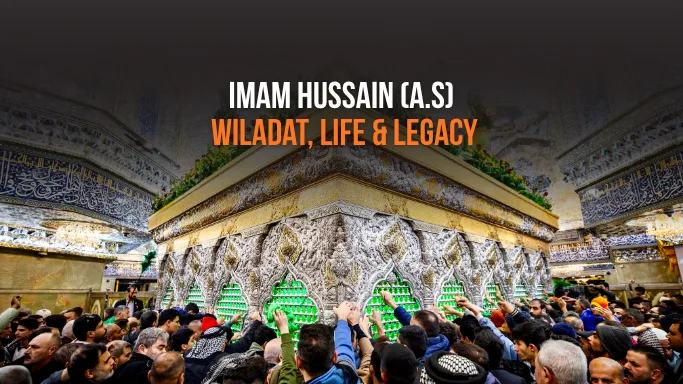
Imam Ali (AS) called Imam Hussain (AS) near him and gave him a gentle and heartfelt wasiyyat. He advised him to remain steadfast in truth, to uphold justice, and to stay patient in the face of trials. Imam Ali (AS) reminded him to care for the family, protect the values of Islam, and always act with mercy and wisdom. He told Imam Hussain (AS) that his responsibility as an Imam was sacred, and he must guide the Ummah with integrity, even when the path becomes difficult. This wasiyyat became a guiding light for Imam Hussain (AS) throughout his life.
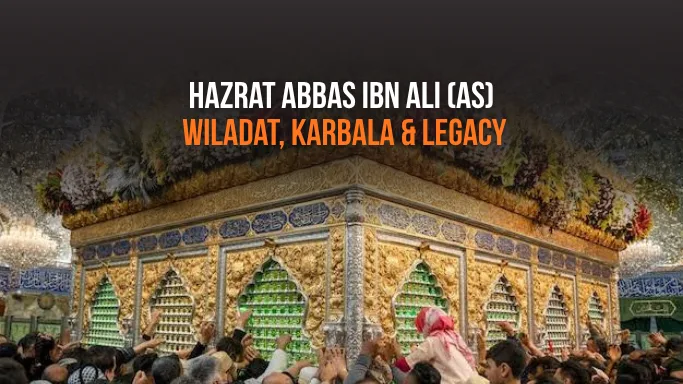
On the night of the zarbat (when Imam Ali AS was struck), he called Hazrat Abbas (AS) to his side and gave him a heartfelt wasiyyat. Imam Ali (AS) reminded Abbas (AS) that his loyalty, courage, and strength were trusts from Allah, and he instructed him to always stand with and obey Imam Hussain (AS), the Imam of his time. This final guidance shaped Hazrat Abbas's entire life and became the reason he is remembered as the embodiment of devotion and unwavering loyalty at Karbala.
On the night of the zarbat, as Imam Ali (AS) suffered from his wound, he called Bibi Zainab (SA) and Bibi Umm-e-Kulsoom (SA). He reminded them to remain patient, uphold the values of modesty, humility, and compassion, and stay firm in their faith. He instructed them to support one another, care for their family, and obey Imam Hasan (AS) and later Imam Hussain (AS), for they were the rightful Imams after him. His wasiyyat filled their hearts with strength, preparing them for the great responsibilities they would carry in the coming years.
Spiritual Significance
The martyrdom of Imam Ali (AS) is more than a historical event. It symbolises:
Steadfastness in Faith: Even in the face of betrayal and violence, Imam Ali (AS) remained committed to Allah and the teachings of Prophet Muhammad (PBUH).
Sacrifice for Justice: His life and death were dedicated to defending the truth, justice, and the rights of the oppressed.
Divine Wisdom and Patience: Imam Ali (AS) endured suffering with grace, leaving a model for his followers to remain patient and faithful under trial.
Impact on His Followers and Companions
The martyrdom of Imam Ali (AS) had a profound effect on those who loved and followed him:
Friends and Companions: They were inspired to continue the mission of spreading Islam with courage and integrity, even in hostile circumstances. The faithful mourned deeply and vowed to uphold his teachings, emphasising loyalty, justice, and the principles of Islam.
All Believers: Imam Ali's (AS) martyrdom serves as a reminder that standing for truth may come at a personal cost, but it brings eternal reward and spiritual elevation.
Legacy and Eternal Message
Imam Ali (AS) left a legacy of knowledge, courage, and faith that continues to guide Muslims today. His sayings, letters, and judgments—preserved in works like Nahjul Balagha—teach the values of wisdom, humility, and justice. The night of his martyrdom and the mourning of his death (observed especially on Laylat al-Qadr and the 21st of Ramadan) are seen as opportunities for reflection, spiritual growth, and renewal of devotion.
Quotes of Imam Ali (AS) in Peak Eloquence
On the Purpose of Martyrdom
“"Death is but a gateway for the servant of Allah who has walked steadfast on the path of truth. Martyrdom is not defeat, it is the crowning of a life lived in devotion, the ascent of the soul to its eternal abode, and the honour bestowed upon those who refuse compromise in the cause of justice."”
— Inspired by Nahjul Balagha, Sermon 216; Bihar al-Anwar, Vol. 35
On Patience and Divine Will
“"When the hand of treachery strikes, and the world's pain presses upon the heart, remember: patience is the sword of the believer. With it, the soul conquers fear, the spirit outshines anguish, and the body may fall, but the light of faith remains eternal."”
— Nahjul Balagha, Saying 389; Bihar al-Anwar, Vol. 35
On Duty to Allah and Justice
“"If the world conspires to extinguish truth, let the heart burn brighter with the flame of righteousness. A warrior in Allah's cause does not fear swords or poison; he fears only the loss of faith and the abandonment of justice."”
— Bihar al-Anwar, Vol. 35
On Legacy and Guidance
“"My death is a message, my breath a lesson. Those who follow justice, uphold the oppressed, and speak for truth shall find me among them in spirit. Let not grief cloud your hearts, but let my words illuminate your path, as the stars illuminate the night."”
— Nahjul Balagha, Letter 53; Bihar al-Anwar, Vol. 35
On Courage in the Face of Death
“"The sword may wound the flesh, the dagger may spill blood, yet the soul that is anchored in Allah's love is untouched. Let fear flee, let hearts be steadfast, for martyrdom is the honour of the devoted and the crown of the just."”
— Nahjul Balagha, Saying 423; Bihar al-Anwar, Vol. 35
On Spiritual Victory Beyond Death
“"Do not measure victory by the span of life or the absence of pain. The true triumph belongs to those whose hearts remain firm in faith, whose hands defend justice, and whose souls meet Allah with serenity. My martyrdom is but a passage to eternal honour."”
— Bihar al-Anwar, Vol. 35; Nahjul Balagha, Sermon 216
Conclusion
The martyrdom of Imam Ali (AS) is a defining moment in Islamic history. It reminds all believers that truth, justice, and devotion to Allah are worth every sacrifice. His life and death inspire courage, patience, and unwavering loyalty to the principles of Islam. Those who love Imam Ali (AS), follow his teachings, or honour his memory are encouraged to embody his virtues in their daily lives, ensuring that his eternal message continues to shine through generations.
For more information or any queries, feel free to contact us. We are always ready to help you plan a peaceful and blessed journey.