Introduction
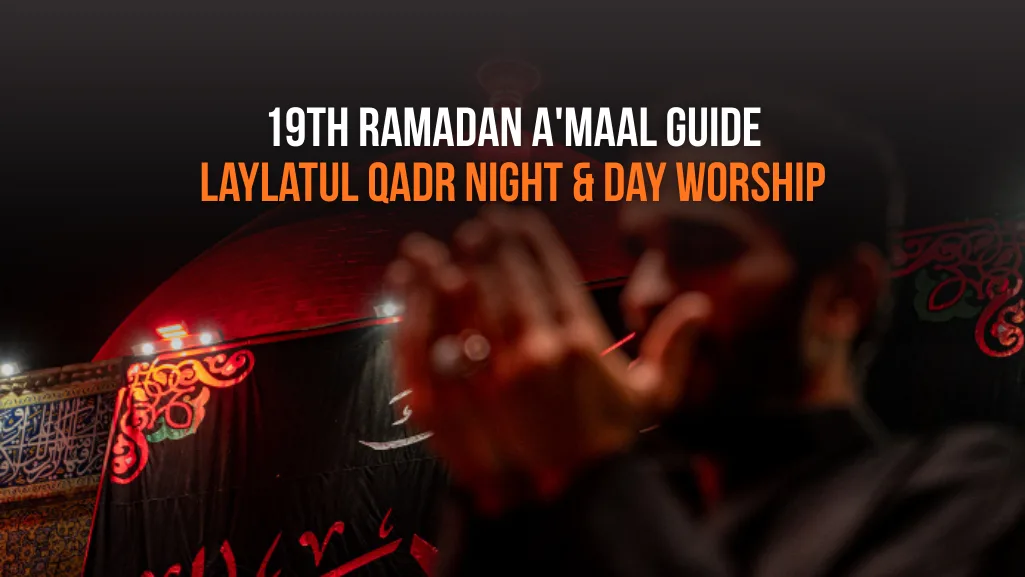
The nights of Qadr — the 19th, 21st, and 23rd of Ramadan — are the spiritual summit of the holy month, nights in which the gates of divine mercy open and destinies are shaped for the year to come. Among these blessed nights, the 19th night of Ramadan holds a unique and profound significance. Known as Laylat al-Zarbah, it marks the solemn night when Imam Ali (AS), the Commander of the Faithful, was struck in the mihrab of Masjid Kufa. His injury not only changed the course of Islamic history, but also filled this night with extraordinary layers of reflection, sorrow, and spiritual awakening.
According to the Qur'an, this is the night in which "every decreed matter is made distinct" (Qur'an 44:4). It is a night when the unseen realms become active, destinies begin to unfold, and the believer stands before Allah with humility and hope. Qur'an 97:4 further emphasizes that angels descend with divine commands, carrying the decree of every individual for the coming year. As narrated in al-Kafi (vol. 4, p. 158) and echoed in Bihar al-Anwar (vol. 97, p. 9), the Ahl al-Bayt (AS) explain that these nights determine one's sustenance, lifespan, opportunities, and spiritual outcomes.
For this reason, the 19th night is not only the beginning of Laylat al-Qadr but also the night of self-evaluation, repentance, and renewal. It invites every believer to reflect on their past year, seek forgiveness for their shortcomings, and open their heart to divine mercy. Through the a'maal preserved in Mafatih al-Jinan, this night becomes a powerful journey of transformation—the first step toward rewriting one's destiny with sincerity and light.
A'maal of the 19th Night of Ramadan
The 19th night of Ramadan marks the beginning of the Nights of Qadr and carries immense spiritual weight. It is the night when destinies begin to unfold, angels descend with divine commands, and believers are invited to cleanse their past and step into a renewed spiritual year. The a'maal preserved in Mafatih al-Jinan form a comprehensive pathway for repentance, purification, reflection, and drawing closer to Allah. Below is a detailed explanation of the recommended actions for this sacred night.
1. Ghusl (Ritual Bath)
The first recommended action of the night is to perform ghusl at sunset, marking one's entry into Laylat al-Qadr in a state of physical and spiritual purity. Scholars describe this ghusl as a symbolic cleansing of sins, worries, and burdens carried through the year.
A powerful hadith states:
“"Ghusl on the nights of Qadr removes sins like the leaves of a tree."”
— Wasa'il al-Shia, vol. 3, p. 308
This ghusl prepares the heart to receive divine light, mercy, and guidance. Many scholars recommend performing it close to Maghrib time, though repeating it later in the night is also permissible for those seeking additional purification.
2. Two-Rakat Prayer of Laylat al-Qadr
Among the most emphasized acts of worship for the 19th night is a simple but deeply impactful two-rakat prayer, mentioned in Mafatih al-Jinan (pp. 285–287).
How to Perform It:
- Pray 2 rakats
- In each rakat:
- Recite Surah al-Fatiha once
- Recite Surah al-Ikhlas seven times
- After completing the prayer and saying salam, repeat: "Astaghfirullah Rabbi wa Atubu Ilayh" 70 times
Benefits:
Imam Ja'far al-Sadiq (AS) narrates that performing this prayer brings two major blessings:
- Forgiveness of sins committed during the past year
- Protection from hardships and difficulties for the coming year
— Man La Yahduruhu al-Faqih, vol. 2, p. 157
This prayer serves as an entry point into the night's spiritual atmosphere, opening the heart to repentance and mercy.
3. One Hundred Rakat Salat (Salat al-Qadr)
One of the most well-known and spiritually powerful a'maal of Laylat al-Qadr is the 100 rakat prayer, recommended for all three holy nights.
This prayer is narrated from Imam Muhammad al-Baqir (AS) and preserved in Mafatih al-Jinan under the A'maal of Laylat al-Qadr.
How to Perform It:
- Pray 100 rakats, preferably in sets of two
- It may be spread throughout the night depending on one's capacity
Reference Sources:
- Mafatih al-Jinan, A'maal Laylat al-Qadr
- Bihar al-Anwar, vol. 97
Scholars mention that this prayer softens the heart, increases humility, and raises one's spiritual rank. Even performing a portion of it brings tremendous reward.
4. Qur'an Over the Head (Putting the Qur'an on the Head)
This is among the central a'maal of all three nights of Qadr and appears in Mafatih al-Jinan, p. 289. It is a moment of surrender, humility, and placing oneself under the protection of Allah's Book.
Steps:
- Sit facing the qiblah
- Place the Qur'an on your head, symbolizing reliance upon divine guidance
- Recite the supplication beginning with: "Allahumma bi haqqi hadha al-Quran…"
- Then mention the ten sacred names, calling upon Allah through:
- The Qur'an
- Prophet Muhammad (SAW)
- Imam Ali (AS)
- Lady Fatima (AS)
- Imam Hasan (AS)
- Imam Husayn (AS)
- Imam Sajjad (AS)
- Imam Baqir (AS)
- Imam Sadiq (AS)
- Imam Mahdi (AS)
This dua is narrated from Imam Sadiq (AS) in al-Kafi, vol. 4, and is a powerful act of seeking protection, mercy, and intercession through the Holy Personalities.
5. Dua Jawshan al-Kabir
Perhaps the most famous supplication of Laylat al-Qadr, Dua Jawshan al-Kabir consists of 100 sections, each containing 10 divine names, amounting to 1000 Names of Allah. The dua is preserved in Mafatih al-Jinan, pp. 271–284, and also recorded in Bihar al-Anwar, vol. 91.
Its Origin:
The dua was given to the Prophet Muhammad (SAW) by angel Jibra'il during a battle when the Prophet was wearing a heavy armor (jawshan). This dua became a protection for him—and, by extension, for the ummah.
Benefits:
- Protection from calamities and harm
- Forgiveness of sins
- Increased closeness and love for Allah
- Spiritual healing and purification
Its rhythmic structure and divine names create a transformative spiritual experience, especially on the 19th night.
6. Dua for Forgiveness (Allahumma Inni As'aluka)
Mafatih al-Jinan, p. 289, includes this short yet powerful dua for forgiveness. It is recommended during pauses between other a'maal, as it nurtures a state of humility and constant repentance.
This dua aligns with the theme of the 19th night: evaluating one's past year and seeking Allah's pardon before the decrees of destiny unfold.
7. Ziyarat of Imam Husayn (AS)
Visiting Imam Husayn (AS)—physically or reciting his ziyarah from afar—holds extraordinary merit on Laylat al-Qadr. A remarkable narration states:
“"One who performs his ziyarah on Laylat al-Qadr will have 100,000 accepted Hajj and Umrah written for him."”
— Bihar al-Anwar, vol. 98, p. 38
The connection with Imam Husayn (AS) amplifies the night's blessings, as his remembrance softens hearts and strengthens spiritual resolve.
8. Dua Makarim al-Akhlaq & Dua Abu Hamza Thumali
While optional, these duas are highly recommended for those seeking deeper purification.
Dua Makarim al-Akhlaq (from Sahifa Sajjadiya) refines one's character, addressing sincerity, patience, humility, and ethics.
Dua Abu Hamza Thumali, narrated by Imam Sajjad (AS), is one of the most emotional supplications of Ramadan. It awakens repentance, fear of Allah, hope in His mercy, and love for Him.
Both are included in the supplementary sections of Mafatih al-Jinan and help transform the night into a profound spiritual journey.
A'maal of the 19th Day of Ramadan
The 19th day of Ramadan carries a distinct spiritual weight, as it follows the night when destinies begin to unfold and marks the period of Imam Ali's (AS) suffering after being struck. Just as the night invites worship and purification, the day encourages reflection, charity, and strengthening one's connection with Allah and the Ahl al-Bayt (AS). The following a'maal, drawn from Qur'anic principles, hadith, and Mafatih al-Jinan, help the believer continue the spiritual momentum of Laylat al-Qadr.
1. Fasting Rewards
Fasting during Ramadan is already among the most elevated acts of worship, but the fast of the 19th day holds exceptional merit. According to a narration in Bihar al-Anwar (vol. 93):
“"The fasting person on this day receives the reward of seventy years of worship."”
This reward reflects the sanctity of the day, occurring alongside the immense spiritual movements initiated during the night. Fasting on this day strengthens sincerity, discipline, and trust in Allah's decree for the coming year.
2. Special Dua of the Day (from Mafatih al-Jinan)
Mafatih al-Jinan includes a dua for each day of Ramadan, and the dua for the 19th day begins with: "Allahumma aftirna fihi 'ala siyamihi…" (O Allah, allow us to end this day with the blessing of its fast...)
Scholars explain that this supplication carries profound spiritual benefits:
- Purity of intentions – cleansing the heart from insincerity
- Spiritual clarity – asking Allah to guide one's mind and actions
- Protection from mistakes – seeking divine assistance in avoiding sin
Reciting this dua connects the believer's daytime worship with the blessings received during the night.
3. Charity & Helping Others
The 19th day also symbolizes compassion and generosity, as it is the day when Imam Ali (AS) endured the pain of his wound. Showing kindness to others not only echoes the Imam's character but brings immense spiritual reward.
A powerful hadith states:
“"Charity given on these days extinguishes sins."”
— al-Kafi, vol. 4, p. 22
Even small acts—feeding someone, helping a family, giving sadaqah—carry multiplied rewards on this day.
4. Reflection on Imam Ali (AS)
The events following the strike on Imam Ali (AS) are filled with lessons on patience, humility, and self-accountability. Historical sources describe that before Fajr on the 19th, Imam Ali delivered a sermon foreshadowing his martyrdom and speaking about his longing to meet the Prophet (SAW). He urged believers to reflect upon their souls and prepare for the Hereafter.
Primary Sources:
- Nahjul Balagha, Sermon 147
- Irshad al-Mufid, vol. 1
Reflecting on these teachings helps the believer evaluate their own nafs, regrets, and intentions.
5. Reciting Nahjul Balagha (Recommended)
Scholars recommend reciting passages from Nahjul Balagha on this day, especially Sermon 221, which focuses on the qualities of piety. This sermon serves as a guiding light for anyone seeking to build taqwa, humility, and moral refinement after the spiritual awakening of the 19th night.
Spiritual Themes to Emphasize
The 19th night and day of Ramadan are not only a collection of rituals—they mark the beginning of a deep spiritual transformation. One of the central themes of this night is tawbah, sincere repentance. Scholars emphasize that the repentance offered on the 19th night lays the groundwork for what will be accepted and finalized on the 21st and 23rd nights. It is a night to confront one's weaknesses, return to Allah with humility, and start rewriting one's spiritual path.
Another essential theme is destiny. With the unfolding of Laylat al-Qadr, this night marks the spiritual beginning of one's upcoming year. It is the moment when intentions, choices, and prayers shape what is written for a believer in the Divine Decree.
The night also holds a profound connection with Imam Ali (AS). His strike and approaching martyrdom symbolize courage, justice, purity, and unwavering devotion to Allah. Remembering his character inspires believers to strengthen their own spiritual integrity.
Finally, the night calls for self-assessment. It is a time to reflect on the previous year—its mistakes, losses, blessings, and growth—and realign one's heart with the path of righteousness. Through honest introspection, the believer emerges renewed, prepared for the remaining Nights of Qadr.
Conclusion
The 19th night of Ramadan marks the moment when the book of destiny begins to open, inviting the believer into a sacred journey of repentance, reflection, and renewal. It is the first of the honored Nights of Qadr, where angels descend with divine commands and the upcoming year's decrees begin to take shape. This night is not only about worship, but about awakening the heart to Allah's mercy and preparing it for the spiritual peaks of the 21st and 23rd nights.
The 19th day further deepens this spiritual atmosphere as it commemorates the suffering of Imam Ali (AS) after he was struck. His patience, strength, and unwavering devotion become guiding lights for those striving to purify their souls and align their lives with truth and justice.
When a believer engages in the a'maal of this night and day—through worship, heartfelt dua, Qur'an recitation, charity, and reflection—they participate in a transformation that extends far beyond Ramadan. With sincerity and humility, these acts illuminate one's heart, soften one's character, and bring divine blessings that continue to shine throughout the entire year.
Discover the Spiritual Power of Visiting the Holy Shrines on Sacred Days
Step into a world of tranquility, devotion, and divine connection by visiting the holy shrines during the year's most spiritual days. Whether it is the blessed Nights of Qadr, the days of Imam Ali's martyrdom, or other significant occasions of the Ahl al-Bayt, these moments carry unmatched rewards and spiritual depth. Standing in the sacred courtyards of Najaf, Karbala, Kadhmain, and Samarra allows your heart to experience peace, clarity, and closeness to Allah in a way that transforms your entire year.
From organized pilgrim support to visits of major shrines, every detail is crafted to ensure your journey is meaningful and unforgettable.
“Reserve your spiritual journey today and experience the blessings of walking in the footsteps of the righteous.
Visit: www.ziaratplanner.com | Email: info@ziaratplanner.com | WhatsApp: +964 786 206 0777”
For more information or any queries, feel free to contact us. We are always ready to help you plan a peaceful and blessed journey.