Introduction
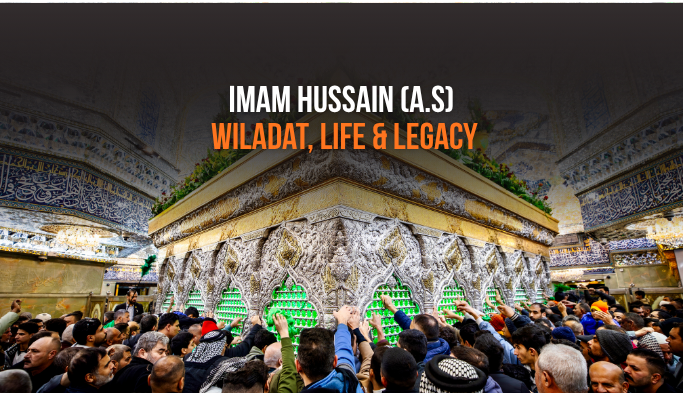
Ziyarat Ashura and Dua e Safwaan (Dua E Alqama) hold a central place in the spiritual life of Shia Muslims. They are acts of devotion that connect the believer directly to Imam Hussain (AS) and his sacrifice in Karbala. The martyrdom of Imam Hussain (AS) on the 10th of Muharram is not only a historical event but a timeless moral and spiritual lesson on truth, justice, steadfastness, and loyalty to Allah.
Reciting Ziyarat Ashura or Dua e Safwaan (Dua E Alqama) allows the believer to participate spiritually in the events of Karbala, reaffirm allegiance to the Ahlul Bayt (AS), and gain immense spiritual rewards. These acts are recommended on Ashura, the preceding nights, Fridays, or any day of the year, as a way of remembering the principles for which Imam Hussain (AS) gave his life.
Background of Ziyarat e Ashura
Ziyarat Ashura is a revered devotional recitation in Shia Islam that commemorates the martyrdom of Imam Hussain (AS) and his loyal companions in Karbala on the 10th of Muharram. It was recommended by Imam Muhammad Baqir (AS), to the believers as a way to express love and loyalty to the Ahlul Bayt (AS), condemn the oppressors, and spiritually connect with the events of Karbala. This ziyarat allows Shia Muslims, even if they cannot visit Karbala physically, to participate in the remembrance of Imam Hussain’s sacrifice, reaffirm their commitment to justice and truth, and gain immense spiritual reward through sincere recitation.
Ziyarat Ashura – Meaning and Significance
Ziyarat Ashura is a special form of salutations and devotion dedicated to Imam Hussain (AS) and his companions who were martyred in Karbala. It is more than just a recitation; it is a spiritual covenant and pledge to uphold truth and justice.
Core Significance:
- It expresses condemnation of the oppressors who killed Imam Hussain (AS)
- It conveys love and loyalty toward the Ahlul Bayt (AS)
- It spiritually connects the believer to Karbala, even from a distance
Scholars narrate that the reward of reciting Ziyarat Ashura is equivalent to being present at Karbala during the martyrdom.
When to Recite Ziyarat Ashura
Ziyarat Ashura can be recited:
- On Ashura (10th Muharram) for maximum spiritual benefit
- On Tasu’a (9th Muharram) as preparation for the day of martyrdom commemoration
- On Fridays, religious occasions, or any day of the year for spiritual reward
- During travels or illness, reciting Ziyarat from home carries the same spiritual connection as being physically present
How to Recite Ziyarat Ashura
Step-by-Step Guide:
1. Make Wudu (Ablution)
Begin with physical purification to reflect spiritual purity.
2. Sincere Intention (Niyyah)
Mentally dedicate the recitation to Allah and the love of Imam Hussain (AS).
3. Recitation:
- Recite slowly and clearly, focusing on the meaning of each line
- Key elements include sending salutations upon Imam Hussain (AS), condemning the oppressors, and pledging to uphold justice
4. Supplications after Ziyarat
Conclude with dua for steadfastness, forgiveness, and alignment with truth.
5. Repetition
Reciting Ziyarat multiple times during Ashura or on special nights enhances spiritual reward.
Tips for Concentration:
- Sit in a quiet place, preferably facing Qibla
- Avoid distractions such as phone or conversation
- Reflect deeply on the sacrifices, trials, and virtues of Imam Hussain (AS)
Spiritual Benefits of Reciting Ziyarat Ashura
1. Forgiveness of Sins
The Prophet (SAW) and Shia scholars narrate that reciting Ziyarat Ashura brings expiation of minor sins.
2. Spiritual Presence in Karbala
Even from a distance, the reciter is spiritually present at the events of Karbala.
3. Strengthening Faith
Recitation fosters steadfastness in belief and inspires the believer to follow the principles of truth, justice, and sacrifice.
4. Protection from Oppression
Ziyarat carries prayers for protection from oppressors and tyrants.
5. Emotional and Spiritual Connection
Deepens love for the Ahlul Bayt (AS) and strengthens moral character.
Background of Dua e Safwaan
Dua e Safwaan – Meaning and Background
Dua e Safwaan is a profound supplication revealed to Imam Hussain (AS) by Allah through the guidance of angels. It is named after Safwaan ibn Mu’attal, a companion of Imam Hussain (AS). The dua was recited by Imam Sadiq (AS) and Safwan was a companion of Imam Sadiq (AS) from where he narrates this dua. This dua is traditionally recited:
- On Ashura night
- During moments of grief and reflection on Karbala
- To seek strength, patience, and steadfastness
Key Themes of Dua e Safwaan:
- Seeking forgiveness and mercy from Allah
- Prayers for courage and resilience in adversity
- Reflection on the trials of the Ahlul Bayt (AS) and asking Allah to strengthen faith in the path of truth
When and How to Recite Dua e Safwaan
Timing:
- The night before Ashura or on the day itself
- During majalis or personal worship
- Anytime one wishes to seek guidance, patience, or spiritual reinforcement
Recitation Method:
- Begin with tahiyyat and Salawat on the Prophet (SAW) and his family
- Recite Dua e Safwaan slowly and with focus, reflecting on each supplication
- Conclude with personal prayers for forgiveness, steadfastness, and protection from injustice
- Optional: Combine with Ziyarat Ashura for enhanced spiritual reward
Spiritual and Ethical Benefits of Dua e Safwaan
1. Strengthening Resolve
Encourages courage, patience, and loyalty to truth.
2. Forgiveness and Mercy
The reciter receives forgiveness and divine mercy, spiritually cleansing sins.
3. Moral Awareness
Inspires reflection on justice, truth, and the responsibility to oppose oppression.
4. Connection with Ahlul Bayt (AS)
Creates a profound spiritual bond with the Imam and his companions.
5. Spiritual Reward
Combining Dua e Safwaan with Ziyarat Ashura magnifies reward and brings inner peace.
Practical Tips for Maximizing Spiritual Benefit
- Prepare spiritually: Perform wudu, purify intentions, and focus on devotion
- Time management: Recite Ziyarat Ashura and Dua e Safwaan during quiet hours, preferably at night or after prayers
- Reflect deeply: Do not rush; ponder the meaning and historical context of Karbala
- Combine with acts of worship: Engage in charity, helping the needy, or reciting Quran along with the recitations
- Consistency: Reciting regularly strengthens faith and maintains a spiritual connection throughout the year
Common Questions about Ziyarat Ashura and Dua e Safwaan
Can I recite Ziyarat Ashura from home?
Yes. Even without visiting Karbala physically, sincere recitation grants spiritual reward.
Is translation necessary?
While reciting in Arabic is recommended, understanding the meaning enhances reflection and spiritual impact.
Can children recite?
Yes, children should be encouraged to recite and understand the meaning to instill love for the Ahlul Bayt (AS) early.
Do partial recitations carry reward?
Even reciting parts of Ziyarat or Dua e Safwaan with sincerity is spiritually beneficial.
Conclusion
Ziyarat Ashura and Dua e Safwaan are more than ritual acts; they are means of spiritual transformation. They help believers:
- Connect deeply with the sacrifice of Imam Hussain (AS)
- Strengthen patience, courage, and faith in Allah
- Reflect on justice, morality, and the responsibility to oppose oppression
- Gain immense spiritual reward and divine mercy
Reciting these prayers with understanding and devotion brings a believer closer to the principles of Karbala, shaping moral character and renewing commitment to truth and justice. Whether on Ashura, Tasu’a, or any day of the year, these recitations are powerful tools for spiritual growth, remembrance, and ethical guidance.
References
- Allama Sheikh Abbas Qummi, Mafatih al-Jinan
- M. Baqir al-Majlisi, Bihar al-Anwar, Vol. 44–45
- Ayatollah Sistani, Fatawa al-Shia
Experience the spiritual journey of a lifetime on the sacred days with ZiaratPlanner.com. We offer fully customized Ziarat packages in Iraq, handling everything from hotels and meals to transportation, ensuring a seamless and blessed pilgrimage. Let us take care of every detail so you can focus on your devotion and prayers.
Make your Ashura pilgrimage truly memorable with ZiaratPlanner.com. We provide fully managed packages in Karbala, including accommodation, meals, and transportation, so you can focus entirely on prayers and reflection at the holy shrine of Imam Hussain (AS).
Book your Ziarat journey today:
Website: ZiaratPlanner.com | Email: Info@ziaratplanner.com | WhatsApp: +964 786 206 0777





 04-Jun-2026