Introduction to Muharram
Muharram is the first month of the Islamic calendar and one of the four sacred months that Allah has granted special sanctity. The Holy Qur’an explicitly mentions their sacred nature:
“Indeed, the number of months with Allah is twelve [lunar] months in the Book of Allah, from the day He created the heavens and the earth; of these, four are sacred.”
— Surah At-Tawbah, 9:36
The most significant and heart-rending event of this month is the tragedy of Karbala, where the grandson of the Holy Prophet (ﷺ), Imam Hussain (AS), along with his loyal companions, offered an unparalleled sacrifice for the sake of truth, justice, and the preservation of Islam.
The month of Muharram is a period of grief and mourning for the Ahlul Bayt (AS) and their followers. It is narrated from Imam Ali Raza (AS) that whenever Muharram began, no one in Madinah would see Imam Musa al-Kazim (AS) smiling. A state of sorrow would dominate him. When the tenth day arrived, it would pass in weeping and mourning, and he would say: “This is the day on which Imam Hussain (AS) was martyred.”
What Does “Muharram” Mean?
The word “Muharram” comes from the Arabic root (ḥ-r-m), meaning sacred, forbidden, or worthy of respect. Muharram is called so because it is a holy month in which violence and injustice were prohibited. It is one of the four sacred months in Islam, alongside Dhul-Qa’dah, Dhul-Hijjah, and Rajab.
The tragedy of Karbala gave Muharram a deeper spiritual and moral significance—transforming it from merely a sacred month into a symbol of standing against oppression and sacrificing everything for truth.
Why Muharram Matters
A Sacred Month
Muharram is one of the four sacred months explicitly honored in the Qur’an, carrying special sanctity and divine protection.
The Tragedy of Karbala
In this month, the grandson of the Prophet (ﷺ), Imam Hussain (AS), and his companions made the ultimate sacrifice for truth, justice, and the preservation of Islam. Their stand against tyranny continues to inspire millions worldwide.
Lesson of Right and Wrong
Muharram teaches us never to bow before injustice and to stand firm for the truth, even at great personal cost. The event of Karbala draws a clear line between truth and falsehood.
Patience and Steadfastness
The sacrifice of the Ahlul Bayt (AS) and the martyrs of Karbala inspires us with patience, courage, and unwavering commitment to principles.
Spiritual Blessing
Despite being a month of grief and mourning, Muharram draws believers closer to Allah, purifies hearts, and strengthens commitment to faith through remembrance and lamentation.
Major Events This Month
2nd Muharram: Entrance of Imam Hussain (AS) into Karbala
On this day, Imam Hussain (AS), along with his family and loyal companions, arrived at Karbala. Despite the harsh desert heat, the exhausting journey, and constant threats from enemies, the Imam’s heart remained filled with courage and determination. The soil of Karbala bore witness to his presence, and Lady Zainab (AS) trembled upon reaching this sacred land, sensing the magnitude of what was to come.
The Day Imam Hussain (AS) Stepped into Karbala →
7th Muharram: Water Supply Cut Off
By order of Ibn Ziyad, Umar ibn Sa’d blocked Imam Hussain’s access to the Euphrates River. This marked the beginning of the cruel siege that would force the caravan of Ahlul Bayt to endure three days of unbearable thirst in the scorching desert.
The Day Water Was Denied →
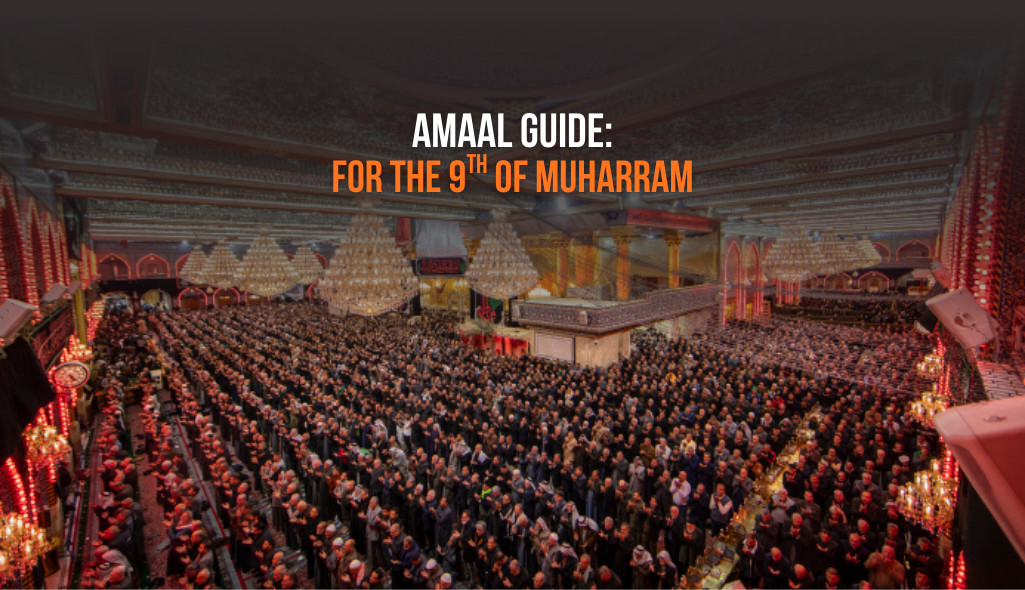
9th Muharram: The Day of Tasu’a
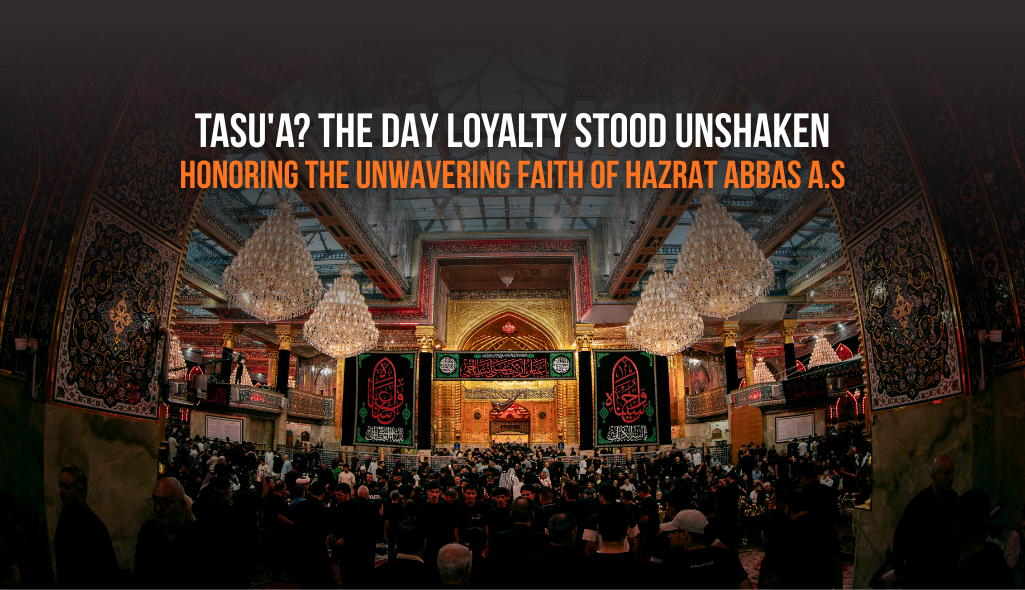
Tasu’a, the ninth day of Muharram, is heart-wrenching due to the events of Karbala. On this day, the enemies completed their preparations for oppression, Imam Hussain’s tents were surrounded, and the loyalty, courage, and selflessness of Hazrat Abbas (AS) were brilliantly displayed. The term comes from the Arabic number “Tis’ah” (9). In 61 AH, these tragic events set the stage for the sorrowful day of Ashura.
What is Tasu’a? Honoring the Loyalty of Hazrat Abbas (AS) →
Special Practices for the 9th Night and Day →
10th Muharram: The Day of Ashura
The tragedy of Karbala, also known as the Day of Ashura, occurred on the tenth day of Muharram. The Yazidi army carried out severe oppression against Imam Hussain (AS), along with elderly companions, young men, infant children, and family members. For Shia Muslims, this stands as one of the darkest and most painful events in Islamic history, commemorated every year through mourning, lamentation, and expressions of deep grief.
On this day, 72 martyrs sacrificed everything—their lives, their families, their children—for Islam. They stood against thousands, fought with unmatched courage, and chose death over submission to tyranny.
Ashura: The Day of Supreme Sacrifice →
Special Practices for the Day of Ashura →
25th Muharram: Martyrdom of Imam Sajjad (AS)
Imam Ali ibn Hussain (AS), widely known as Imam Sajjad (AS) and Zain-ul-Abidin, was the fourth Imam of the Ahlul Bayt. He survived the tragedy of Karbala due to severe illness. After the martyrdom of Imam Hussain (AS), he became the spiritual leader of the Ummah and played a crucial role in preserving the message of Karbala through patience, worship, and supplication. His life was a living testimony to Karbala’s sacrifice.
Martyrdom of Imam Sajjad (AS): The Soul of Karbala →
Special Practices for the 25th of Muharram →
Quick Calendar of Key Dates
| Date |
Event |
Significance |
| 1st Muharram |
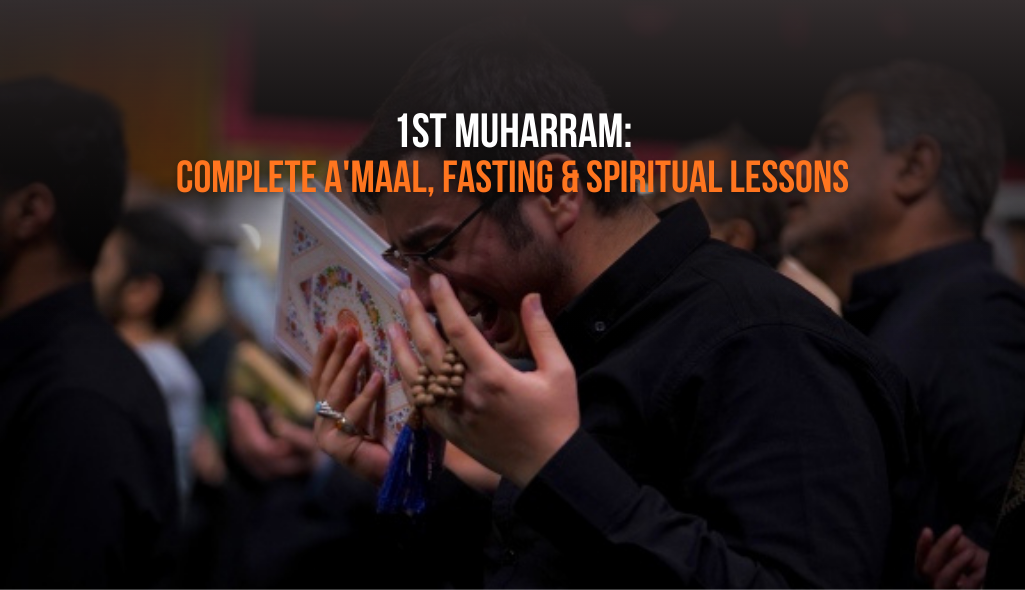
Beginning of Sacred Month |
Islamic New Year begins |
| 2nd Muharram |
Arrival at Karbala |
Imam Hussain enters Karbala |
| 3rd Muharram |
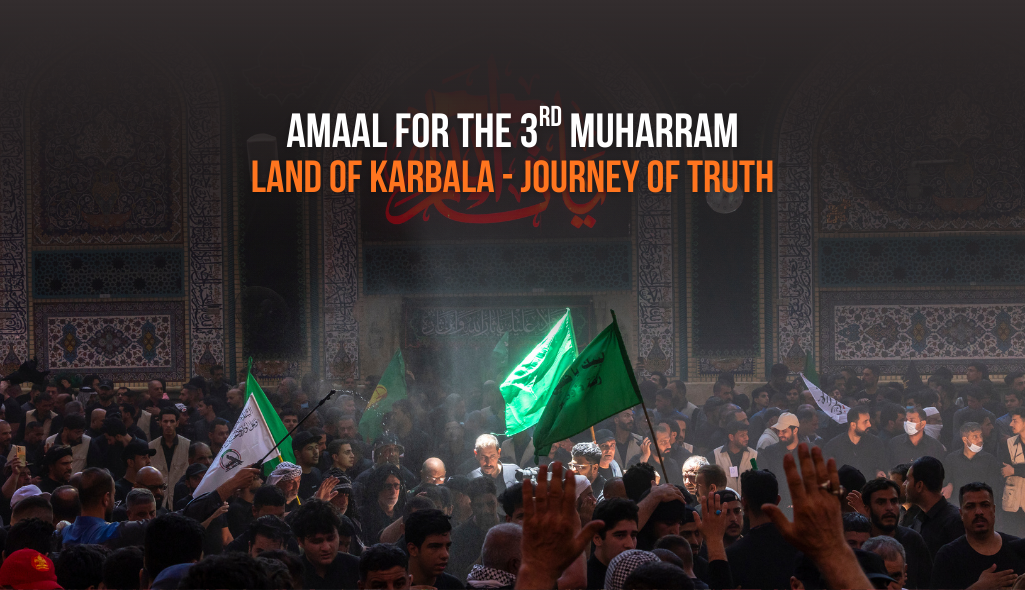
Camp was moved away from the bank of the Euphrates |
Umar ibn Sa’d cuts water access |
| 7th Muharram |
Complete Water Cutoff |
Full blockade of Euphrates |
| 9th Muharram |
Tasu’a |
Day of Hazrat Abbas, night of worship |
| 10th Muharram |
Ashura |
Supreme sacrifice, 72 martyrs |
| 25th Muharram |
Imam Sajjad Martyrdom |
4th Imam poisoned |
Essential Practices
Daily Fundamentals
Fasting
Try to observe fasting from the 1st to the 9th of Muharram, remembering the thirst of Imam Hussain (AS). These fasts are a great source of blessings. On the 10th, observe abstinence until Asr—remain hungry and thirsty, remembering the sacrifice.
Questions about travel, illness, or special situations? →
Ziyarat Ashura
Try to recite it every day, or at least from the 1st to the 10th of Muharram, with 100 salutations (Salam) and 100 curses (La’an).
Du’a Safwaan
Read along with Ziyarat Ashura for complete spiritual benefit.
Surah Ikhlas
Recite Surah Tauheed 100 times each day until the 10th of Muharram and give the reward (hadiya) to Imam Hussain (AS).
Attending Majalis
Participate in mourning gatherings to keep the message of Karbala alive.
Charitable Acts
Give in the name of the martyrs of Karbala, feed the poor, help those in need.
Special Dates
Each significant date has its own recommended practices. We’ve created detailed guides for:
1st Muharram → | 2nd Muharram → | 3rd Muharram → | 9th Muharram → | 10th Muharram → | 25th Muharram →
What is Ziyarat Ashura?
Ziyarat Ashura is a divine gift—a luminous and frequently recited supplication read on the tenth of Muharram in remembrance of Imam Hussain (AS) and the martyrs of Karbala.
This Ziyarat is not merely a devotional prayer; it is a Hadith Qudsi that has reached us directly from Allah Almighty through Imam Muhammad al-Baqir (AS). Hadith scholars and religious authorities have declared its chain of transmission to be among the most authentic and beyond the need for further verification.
Reciting Ziyarat Ashura with 100 salutations and 100 curses carries immense spiritual rewards, including:
- Forgiveness of sins
- Acceptance of supplications
- Protection from calamities
- Nearness to the Ahlul Bayt (AS)
- Spiritual purification
Understanding Ziyarat-e-Ashura: Its Background and Benefits with Du’a Safwaan →
Experiencing Muharram in Iraq
There’s something truly moving about spending Muharram near the sacred shrines of the Ahlul Bayt (AS). Experience the profound mourning on the 8th and 9th in Karbala, honor the martyrdom of Imam Hussain (AS) on the 10th, and immerse yourself in prayer and reflection throughout the first ten blessed days. One of the most striking moments is the changing of the flag at the shrines—upon sighting the crescent moon, the flag is raised from black to red, and after Ashura, it is respectfully replaced from red back to black, symbolizing mourning and remembrance. Whether you join for the key days of commemoration or spend the entire sacred period, Iraq’s holy cities offer an unparalleled spiritual atmosphere that touches the soul.
We offer comprehensive Muharram pilgrimage packages that cover all the significant days and holy locations—from short journeys focused on Tasu’a and Ashura to complete month-long experiences. Each package includes comfortable accommodation near the shrines, ground transportation between cities, and full support throughout your spiritual journey. Explore our specially curated Muharram packages below and find the perfect fit for your ziarat.
View Muharram Packages →
Note: Dates are based on the Islamic lunar calendar and vary by moon sighting. For Gregorian calendar dates, consult local Islamic authorities.
Last Updated: December 2025
For corrections: info@ziaratplanner.com
References
- Qur’an 9:36 (Surah At-Tawbah)
- Mafatih al-Jinan; Bihar al-Anwar
- Arabic etymological sources on the root ḥ-r-m
- Authentic hadith on the four sacred months
- Qur’an 9:36 and classical tafsir works
- Historical accounts of the Battle of Karbala; Bihar al-Anwar
- Narrations from Ahlul Bayt on the significance of Muharram
- Historical sources on the arrival in Karbala
- Classical sources on the events of 3rd Muharram
- Historical accounts of Tasu’a; Maqtal literature
- Detailed accounts of Ashura in Maqtal al-Hussain and other sources
- Biography of Imam Sajjad (AS); al-Kafi, Bihar al-Anwar
- Mafatih al-Jinan on Muharram practices
- Hadith on the virtues of Ziyarat Ashura
- Mafatih al-Jinan; Du’a Safwaan section
- Recommended practices from Shia scholarly sources
- Mafatih al-Jinan; authentic narrations on Ziyarat Ashura
- Chain of transmission authenticated by Shia scholars
- Rewards and virtues mentioned in authentic narrations
- Contemporary observations of Muharram in Iraqi shrines
Online Scholarly Resources







 KAR- Hotel Burj Yusuf
  Inquire & Book